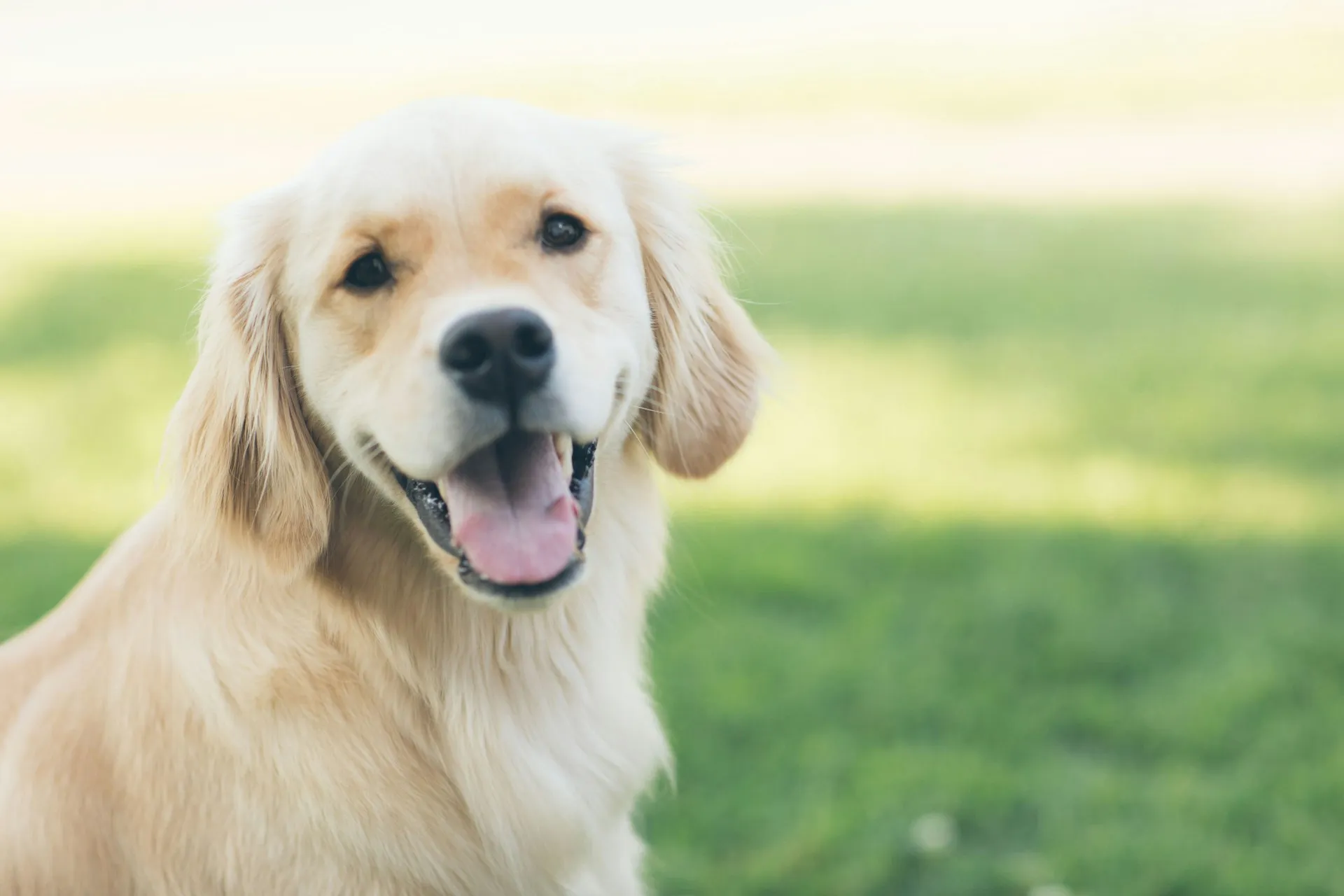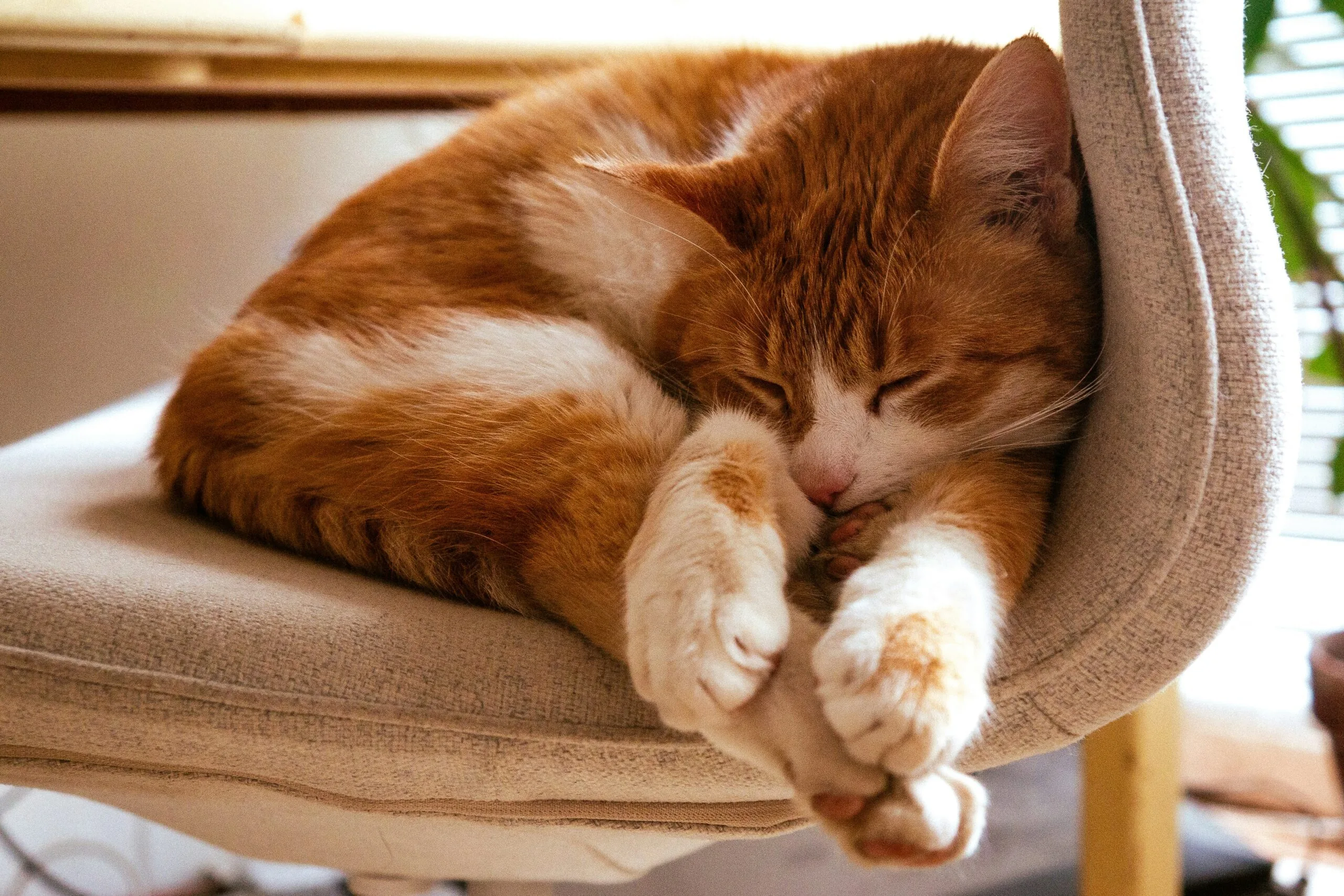
Your pet may seem perfectly healthy at home, but some health concerns develop gradually without obvious symptoms. A slight change in weight, bad breath, or a difference in how your pet moves can provide clues about their overall health. Routine veterinary exams help identify these changes and give pet owners an opportunity to discuss concerns before they become more difficult to manage.
At Paw Prints Animal Hospital, regular veterinary visits help pet owners understand their companions’ health needs at different life stages. Even when your dog or cat appears active and comfortable, a physical examination can reveal changes that may be difficult to notice during everyday activities.
If you are looking for a veterinarian in Easley, understanding what happens during a pet exam can help you prepare for the appointment and recognize the value of routine veterinary care.
Why Are Routine Pet Exams Important?
Pets cannot explain when they feel unwell, and some instinctively hide signs of discomfort. Routine exams allow a veterinarian to assess your pet’s general condition, review changes in daily habits, and look for possible signs of illness.
The frequency of visits depends on your pet’s age, medical history, lifestyle, and health concerns. Puppies and kittens often need more frequent visits during their first year, while senior pets may benefit from closer monitoring.
Regular checkups also provide time to discuss nutrition, vaccinations, parasite prevention, dental health, and behavior. These conversations help your veterinarian make recommendations suited to your pet’s individual needs.
7 Health Clues a Veterinarian May Notice During an Exam
1. Changes in Weight and Body Condition
Gradual weight changes can be difficult to notice when you see your pet every day. During an exam, a veterinarian assesses body weight, muscle condition, and body fat to determine whether changes need attention.
Unexplained weight loss may be associated with an underlying health problem, while excess weight can increase the risk of joint problems and other concerns. Your veterinarian may ask about appetite, feeding routines, and activity levels.
2. Dental Problems That Are Easy to Miss
Bad breath is not always harmless. Red or swollen gums, tartar buildup, damaged teeth, and discomfort around the mouth may indicate dental disease.
A veterinarian checks for visible changes and may recommend a more thorough dental examination or professional cleaning. Some problems develop below the gumline and cannot be fully assessed during a basic awake examination.
At home, watch for dropping food, chewing on one side, pawing at the mouth, or reluctance to eat hard food.
3. Changes in the Eyes and Ears
The eyes and ears can reveal signs of irritation, infection, injury, or other health concerns. A veterinarian may check for redness, discharge, cloudiness, swelling, unusual odor, or sensitivity.
A dog that frequently shakes its head or scratches its ears may have irritation that needs attention. A cat with watery eyes or repeated squinting may also need an examination.
Avoid using leftover eye drops or ear medications without veterinary guidance.
4. Skin, Coat, and Nail Changes
A dull coat, flaky skin, hair loss, persistent itching, or unusual lumps may provide clues about your pet’s health. A veterinarian may examine the skin and coat for inflammation, parasites, wounds, and other abnormalities.
Nails and paws also deserve attention. Overgrown nails, damaged pads, or tenderness can affect how a pet stands and walks. Report persistent itching, new lumps, spreading hair loss, or sores that do not heal.
5. Heart and Breathing Patterns
During an exam, a veterinarian listens to your pet’s heart and lungs and observes their breathing and general comfort. These checks may reveal unusual sounds or changes that need further evaluation.
Some heart or respiratory problems do not cause obvious signs in their early stages. At home, watch for persistent coughing, unusual tiredness, or reduced exercise tolerance. Difficulty breathing, blue or gray gums, or sudden collapse requires emergency veterinary care.
6. Mobility, Joints, and Muscle Condition
A pet that moves slowly, hesitates before jumping, or avoids stairs may be experiencing discomfort. A veterinarian may observe how your pet stands and walks, assess muscle condition, and evaluate joint movement when appropriate.
Tell your veterinarian if your pet struggles to rise after resting, avoids walks, or seems uncomfortable during everyday activities. These changes can occur in older animals, but younger pets can also develop injuries or mobility problems.
7. Changes in Behavior and Daily Habits
Behavior changes can sometimes be early signs of a health concern. A normally social pet may begin hiding, while an active dog may lose interest in play. Changes in appetite, thirst, sleep, urination, or bowel movements can also provide useful information.
Your veterinarian may ask questions about these habits to better understand your pet’s condition. Keep brief notes about unusual changes, especially if they are new or persistent.
If a behavior change occurs suddenly alongside weakness, repeated vomiting, significant pain, or difficulty urinating, contact a veterinarian promptly.
How to Prepare for Your Pet’s Veterinary Exam
A little preparation can help your veterinarian understand your pet’s needs. Before the appointment:
- Write down your concerns: Note changes in appetite, drinking, sleep, energy, or behavior.
- Bring medication details: List the medications and supplements your pet receives.
- Discuss diet and activity: Mention food changes, treats, exercise, and lifestyle changes.
- Prepare questions: Ask about dental care, vaccinations, parasite prevention, or age-related changes.
- Share videos if helpful: A short video of unusual walking or behavior may provide useful context.
Even minor changes can be worth mentioning, particularly if they are becoming more noticeable.
Supporting Your Pet’s Health Between Visits
A veterinary exam is only one part of maintaining your pet’s health. Daily observation, appropriate nutrition, regular activity, dental care, and preventive recommendations all contribute to ongoing well-being.
If you are searching for a veterinarian in Easley, choosing a clinic where you feel comfortable discussing your concerns can make routine care easier. Paw Prints Animal Hospital can help you discuss your pet’s health and determine appropriate next steps.
Schedule an appointment to review your pet’s wellness needs, discuss changes you have noticed, and plan for ongoing care.
Frequently Asked Questions
1. What can a veterinarian detect during a routine pet exam?
A veterinarian may notice changes in weight, dental health, skin, eyes, ears, heart and lung sounds, mobility, and overall body condition. Additional testing may be recommended if a concern is identified.
2. How often should my pet have a veterinary exam?
Many adult pets benefit from wellness exams at least once a year. Puppies, kittens, senior pets, and animals with ongoing health concerns may need more frequent visits.
3. Should I schedule an exam if my pet seems healthy?
Yes. Routine exams help monitor your pet’s condition and may reveal subtle changes before they become obvious at home. They also provide time to discuss preventive care.
4. What can I discuss with Paw Prints Animal Hospital during a pet exam?
You can discuss changes in behavior, appetite, weight, movement, and general health, along with questions about preventive care. Your veterinarian can assess your concerns and recommend appropriate next steps.
5. Why is regular veterinary care important for dogs and cats?
Regular care helps monitor health changes, review preventive measures, and identify concerns that may need further evaluation. Recommendations can be tailored to your pet’s age, lifestyle, and medical history.
6. What should I bring to my pet’s appointment?
Bring relevant medical records, a list of medications and supplements, and notes about recent changes in your pet’s health or behavior. Videos of unusual symptoms can also be helpful.