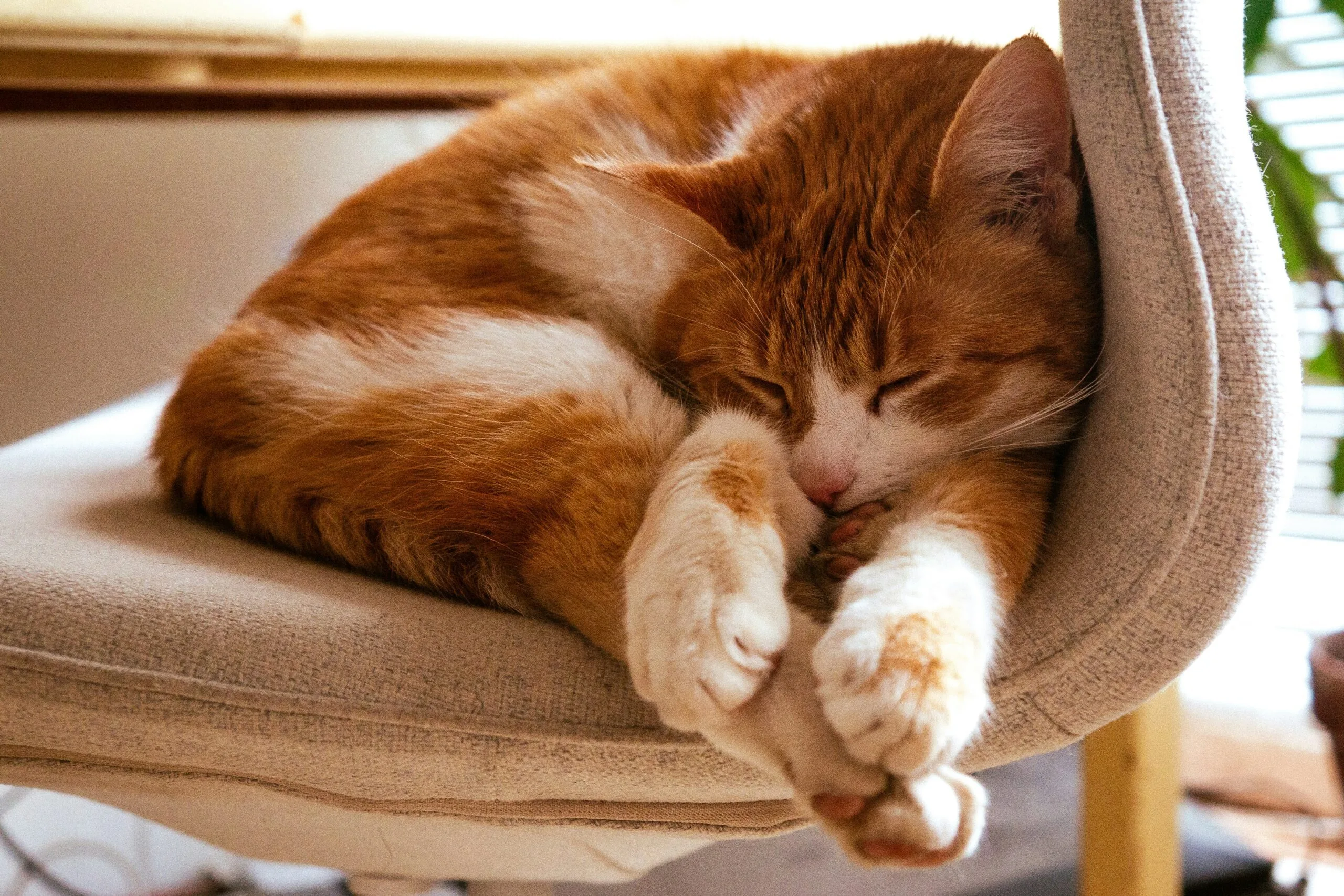


At Paw Prints Animal Hospital, we love our golden oldies—and so do their families. As more dogs and cats live longer, healthier lives, senior pet care has become one of the most important services we offer to families at our Easley, SC animal clinic. Whether your furry bestie is slowing down or just entering their golden years, there’s plenty you can do to ensure those later stages are filled with love, comfort, and good health.
From adapting routines to managing age-related changes, our goal is to help you give your senior companion the best quality of life possible. Let’s walk through how to care for aging dogs and cats with practical steps, signs to watch for, and ways we can support you along the journey.
When Is My Pet Considered a Senior?
The definition of “senior” varies depending on the species, breed, and size of your pet. In general:
- Small dogs and cats are seniors around 7–10 years
- Large or giant breed dogs may be considered senior at 5–6 years
Aging affects every pet differently, so the number alone doesn’t tell the full story. At Paw Prints Animal Hospital, we consider your pet’s behavior, lifestyle, and health profile to determine the right care plan.
Aging Dog Care Checklist
As your canine buddy ages, you may notice subtle shifts in behavior, energy, and mobility. A proactive approach makes all the difference. Here’s an aging dog care checklist to guide you:
- Twice-yearly vet checkups
- Routine bloodwork and urine tests
- Dental cleanings and oral care
- Weight and body condition monitoring
- Joint support and arthritis screening
- Vision and hearing evaluations
- Behavior and cognition checks
In Easley, SC, our veterinary team keeps close tabs on these markers and helps you adjust your pup’s care plan as they age.
Caring for Senior Cats: The Silent Agers
Cats are famously good at hiding discomfort, which makes senior cat care a bit of a detective game. Common signs of aging in cats include:
- Weight loss or muscle wasting
- Reduced grooming or a dull coat
- Hesitation to jump or climb
- Changes in litter box use
- Increased vocalization (especially at night)
- Sleeping more than usual
Caring for senior cats means regular vet visits and watching for these subtle behavior changes. They often indicate arthritis, thyroid disease, kidney issues, or even cognitive decline.
Common Health Issues in Older Pets
Senior pets are more prone to chronic conditions. Early detection helps prevent complications and keeps your furry friend feeling good longer.
Common health issues in older pets include:
- Arthritis and joint degeneration
- Dental disease
- Kidney or liver disease
- Diabetes
- Cognitive dysfunction syndrome (pet dementia)
- Cancer
Routine screenings at Paw Prints Animal Hospital can help catch these issues early. Many are manageable with medication, diet, and supportive care.
Nutrition and Exercise for Senior Pets
As pets age, their metabolism slows and their nutritional needs change. We may recommend:
- Senior-specific diets
- Increased fiber or lower fat content
- Joint supplements (glucosamine, chondroitin)
- Prescription diets for chronic conditions
Exercise is still important—just modify it. Replace long hikes with gentle walks. Swap intense playtime with short, frequent sessions.
Creating a Comfortable Home for Aging Pets
Supporting your pet at home helps prevent injury and improves quality of life. Try these simple adjustments:
- Orthopedic beds for joint support
- Ramps or stairs to access beds and couches
- Elevated food and water bowls
- Night lights for pets with poor vision
- Litter boxes with lower sides for cats
The more comfortable their space, the more your four-legged friend will stay active and engaged.
Mental Health Matters, Too
Cognitive changes can sneak up on pets just like humans. Signs of dementia include confusion, pacing, house-soiling, and altered sleep cycles.
You can support brain health by:
- Offering puzzle feeders or interactive toys
- Maintaining a consistent daily routine
- Providing regular, gentle enrichment
- Asking your vet about supplements or medications
Keeping your furry pal mentally sharp helps them stay emotionally healthy, too.
Fun Fact: Some Cats Live into Their 20s
With proper care and lots of love, many cats live well into their late teens or early twenties. That’s a lot of lap time with your feline companion!
FAQ: Senior Pet Care Questions
How often should senior pets see the vet?
At least every 6 months. Aging can bring rapid changes, so more frequent checkups help catch issues early.
Is it normal for my older pet to gain or lose weight?
Not necessarily. Weight changes could indicate disease. Always consult your vet if you notice this.
Can senior pets still be spayed or neutered?
Yes, though we evaluate risks carefully. For older pets, we often only perform surgery if medically necessary.
What if my senior pet seems confused or anxious?
This could be cognitive decline. We offer medications and lifestyle strategies to help.
Do older pets still need vaccines?
Yes, but we may adjust the schedule based on lifestyle, health, and risk level.
Visit Our Easley, SC Vet for Senior Pet Care
At Paw Prints Animal Hospital, we specialize in helping senior pets age with grace and dignity. From arthritis screenings to cognitive care, we’re proud to support the golden years of your furry pal’s life. Looking for a compassionate vet near me in Easley, SC? Contact us today to schedule a wellness exam and keep your aging companion happy and healthy.
This blog is for informational purposes only. Always consult your veterinarian to develop the right care plan for your pet’s needs.