

Intervertebral Disc Disease (IVDD) is one of the most common spinal conditions affecting dogs. It can cause pain, weakness, mobility issues, and, in severe cases, paralysis. Early recognition and timely treatment can significantly improve outcomes. This guide explains what IVDD is, its causes, symptoms, diagnosis, treatment options, recovery expectations, and prevention strategies.
You will also learn how maintaining routine pet wellness care can support your dog’s overall spinal health. Understanding IVDD empowers pet owners to make informed decisions and seek help before complications develop.
What Is IVDD in Dogs?
IVDD, or Intervertebral Disc Disease, occurs when the cushioning discs between the vertebrae of a dog’s spine become damaged. These discs normally act as shock absorbers, allowing the spine to move comfortably.
When a disc deteriorates, bulges, or ruptures, it can place pressure on the spinal cord and surrounding nerves. This compression causes pain and may affect a dog’s ability to walk, stand, or control bodily functions.
IVDD can develop suddenly or progress gradually, depending on the type and severity of disc damage.
Understanding the Canine Spine
The spine consists of vertebrae separated by intervertebral discs. Each disc contains a soft center surrounded by a tougher outer layer.
Healthy discs provide flexibility and cushioning during movement. When discs lose their normal structure, they become more vulnerable to injury. Disc material can protrude into the spinal canal, leading to inflammation and nerve compression.
The neck and middle-to-lower back are the most commonly affected areas.
Causes of IVDD in Dogs
Several factors contribute to the development of IVDD:
1. Genetics
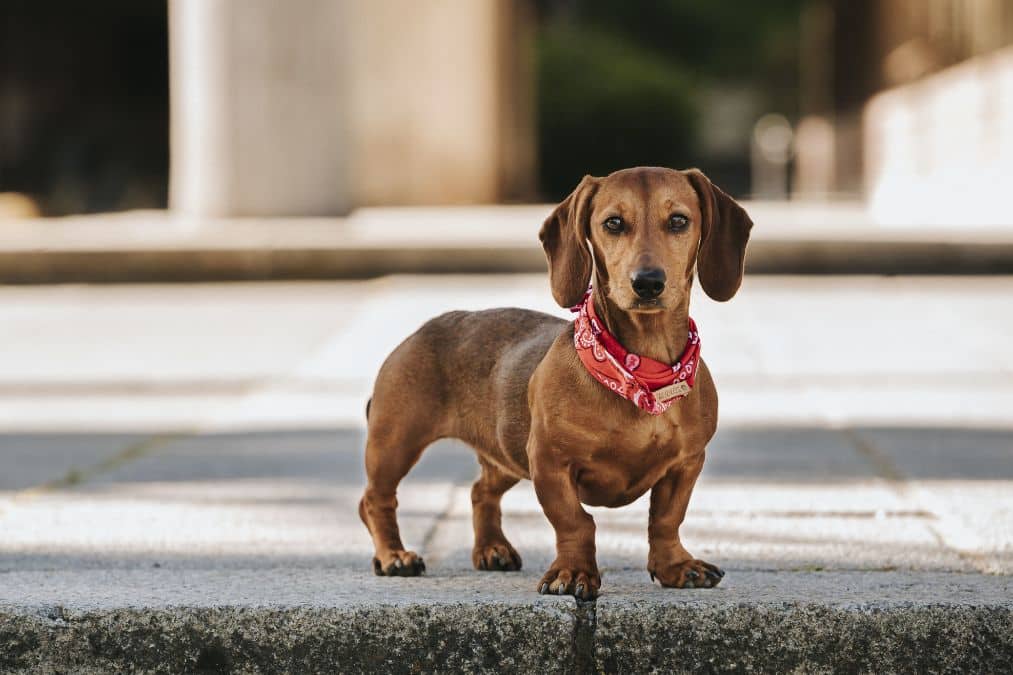
Certain breeds are genetically predisposed to disc degeneration. Dogs with long backs and shorter legs often face a higher risk.
Commonly affected breeds include:
- Dachshund
- Beagle
- French Bulldog
- Cocker Spaniel
- Pekingese
2. Age-Related Changes
As dogs age, spinal discs naturally lose moisture and flexibility. This process increases the likelihood of disc injury.
3. Physical Trauma
Jumping from furniture, falls, rough play, or accidents can trigger a disc rupture in susceptible dogs.
4. Excess Weight
Obesity places additional stress on the spine and may increase the risk of spinal problems.
Signs and Symptoms of IVDD
Symptoms vary depending on the location and severity of spinal cord compression.
1. Early Signs
- Neck or back pain
- Reluctance to jump or climb stairs
- Stiffness
- Reduced activity
- Muscle tension
- Sensitivity when touched
2. Progressive Symptoms
- Weakness in the limbs
- Wobbly walking
- Dragging paws
- Difficulty standing
- Loss of coordination
3. Emergency Symptoms
- Inability to walk
- Loss of bladder control
- Loss of bowel control
- Severe pain
- Paralysis
Dogs showing sudden mobility loss require immediate medical attention.
How IVDD Is Diagnosed
Diagnosis begins with a physical examination and neurological assessment. The veterinarian evaluates reflexes, muscle strength, pain response, and coordination.
Diagnostic imaging helps confirm the condition and determine the location of disc damage.
Common diagnostic tools include:
- X-rays
- CT scans
- MRI scans
MRI is often considered the most effective method for identifying spinal cord compression and planning treatment.
Treatment Options for IVDD in Dogs
Treatment depends on the severity of symptoms and the degree of spinal cord involvement.
1. Conservative Management
Mild cases may respond well to non-surgical treatment.
Conservative care often includes:
- Strict crate rest
- Anti-inflammatory medications
- Pain management
- Muscle relaxants
- Controlled rehabilitation exercises
Limiting activity allows damaged tissues to heal while reducing further injury.
2. Surgical Treatment
Surgery is commonly recommended for dogs with significant neurological deficits or severe spinal cord compression.
The goal of surgery is to remove disc material pressing on the spinal cord. Early surgical intervention often improves the chances of recovery, especially in dogs experiencing mobility loss.
Recovery and Rehabilitation
Recovery times vary depending on the severity of IVDD and the treatment approach.
Many dogs benefit from rehabilitation programs designed to improve strength, flexibility, and coordination.
Rehabilitation may include:
- Therapeutic exercises
- Underwater treadmill sessions
- Range-of-motion therapy
- Balance training
- Controlled walking plans
Owners should follow all recovery instructions carefully to support healing and prevent setbacks.
Can IVDD Be Prevented?
Not every case can be prevented, particularly in genetically predisposed breeds. Several measures may help reduce risk and support spinal health.
1. Maintain a Healthy Weight
Keeping your dog at an ideal weight reduces stress on the spine and joints.
2. Limit High-Impact Activities
Disc injuries may occur when dogs repeatedly jump on and off furniture. Ramps and steps can reduce strain.
3. Use Proper Harnesses
Harnesses distribute pressure more evenly than neck collars, particularly for dogs prone to spinal issues.
4. Schedule Routine Checkups
Regular examinations and pet wellness care help identify health concerns before they become more serious.
Long-Term Outlook for Dogs With IVDD
Many dogs diagnosed with IVDD can enjoy a good quality of life with proper treatment and management. Outcomes depend on factors such as the severity of spinal cord compression, the duration of symptoms, and the speed of treatment.
Dogs receiving prompt care often experience better recovery results. Continued monitoring, weight management, and activity modifications remain important after treatment.
When Should You Contact Your Veterinarian?
Contact your veterinarian if your dog develops back pain, difficulty walking, weakness, or changes in mobility. Delaying treatment may allow spinal cord damage to progress.
Prompt evaluation provides the best opportunity to relieve pain, protect nerve function, and improve recovery potential.
Frequently Asked Questions(FAQs):
1. What are the first signs of IVDD in dogs?
A: Early signs often include back pain, stiffness, reluctance to jump, decreased activity, and sensitivity when touched. Some dogs may appear uncomfortable before showing noticeable mobility changes.
2. Is IVDD painful for dogs?
A: Yes. IVDD can cause significant pain due to spinal inflammation and nerve compression. The level of discomfort varies depending on the severity and location of the affected disc.
3. Can a dog recover from IVDD without surgery?
A: Many mild cases improve with strict rest, medication, and rehabilitation. Severe cases involving paralysis or substantial spinal cord compression often require surgery for the best outcome.
4. Which dog breeds are most likely to develop IVDD?
A: Breeds with long backs and shorter legs face a higher risk. Dachshunds, Beagles, French Bulldogs, Cocker Spaniels, and Pekingese are among the most commonly affected breeds.
5. How long does IVDD recovery take?
A: Recovery varies by case. Some dogs improve within several weeks, while others may require months of rehabilitation following surgery or conservative treatment.
6. Can IVDD return after treatment?
A: Yes. Dogs that have experienced IVDD remain at risk for future disc problems. Weight control, activity management, and regular health evaluations can help reduce recurrence risks.