

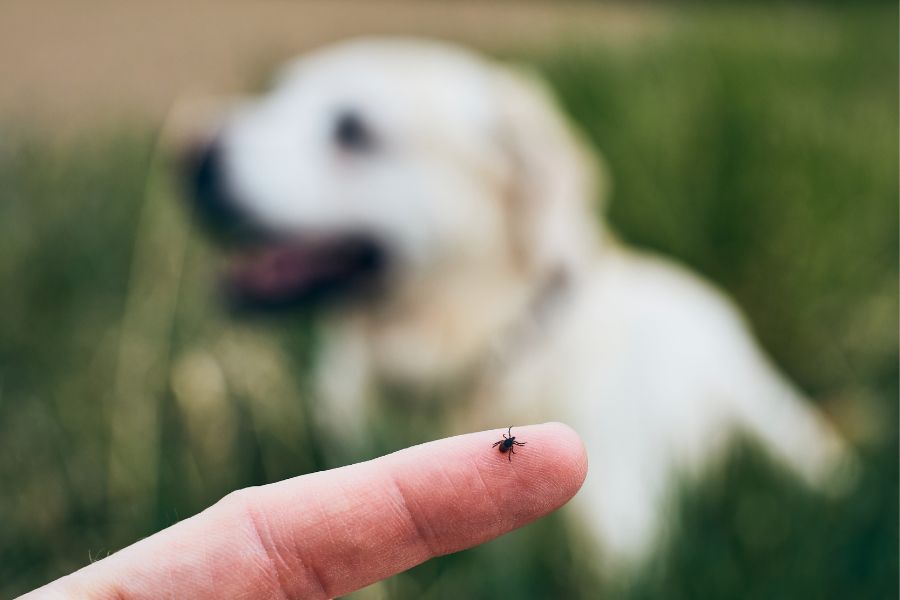
Fleas are more than just a nuisance—they can quickly turn into a serious problem for both your dog and your home. A single flea can multiply into hundreds in a matter of weeks, causing itching, skin infections, and even transmitting diseases. The good news is that with the right approach, you can prevent fleas before they take hold.
This guide breaks down practical, vet-informed strategies to help you protect your dog all year long. It also explains what to do if your dog has fleas, so you’re prepared if prevention falls short.
Why Flea Prevention Matters
Flea control isn’t just about comfort. It directly impacts your dog’s health and your household environment.
Fleas can:
- Trigger severe itching and allergic reactions
- Lead to skin infections from scratching
- Transmit tapeworms and other parasites
- Infest carpets, furniture, and bedding
Once fleas enter your home, they don’t stay on your pet alone. Eggs and larvae spread into your living space, making prevention far easier than treatment.
Understanding the Flea Life Cycle
To prevent fleas effectively, you need to understand how they develop.
Fleas go through four stages:
- Eggs
- Larvae
- Pupae
- Adult fleas
Adult fleas live on your dog, but eggs fall off into your home. This means even if you remove fleas from your pet, new ones can hatch from your environment days or weeks later.
That’s why flea prevention must target both your dog and your surroundings.
Year-Round Flea Prevention Tips
1. Use Vet-Recommended Preventatives
The most reliable way to keep fleas away is through consistent preventive care.
Options include:
- Monthly topical treatments
- Oral flea prevention medications
- Flea collars with extended protection
Choose products recommended by your veterinarian. Over-the-counter solutions may not always be effective or safe for every dog.
Consistency matters more than anything. Skipping doses can allow fleas to return quickly.
2. Maintain a Regular Grooming Routine
Routine grooming helps you catch flea problems early.
Check for:
- Tiny black specks (flea dirt)
- Excessive scratching or biting
- Red or irritated skin
Use a flea comb regularly, especially during warmer months. Bathing your dog with a gentle, vet-approved shampoo can also help reduce flea presence.
3. Keep Your Home Clean
A clean home makes it harder for fleas to survive and multiply.
Focus on:
- Vacuuming carpets, rugs, and furniture weekly
- Washing your dog’s bedding in hot water
- Cleaning areas where your dog spends time
Dispose of vacuum bags immediately or empty canisters outside to prevent reinfestation.
4. Manage Your Yard
Fleas thrive in shaded, moist outdoor areas.
To reduce risk:
- Keep grass trimmed short
- Remove leaf piles and debris
- Limit access to areas where wildlife may enter
Outdoor flea control products can also help, especially in high-risk regions.
5. Protect All Pets in the Household
If you have multiple pets, they all need flea prevention—even if only one shows signs.
Fleas move easily between animals. Treating one pet while leaving others untreated allows the infestation to continue.
What to Do If Your Dog Has Fleas
Even with strong prevention, fleas can sometimes slip through. Knowing what to do if your dog has fleas can help you act quickly and limit the damage.
Step 1: Confirm the Presence of Fleas
Look for:
- Fleas moving through the fur
- Flea dirt (black, pepper-like specks)
- Excessive scratching
A flea comb can help you detect them more easily.
Step 2: Treat Your Dog Immediately
Use a fast-acting flea treatment recommended by your vet. Some products start killing fleas within hours.
Avoid mixing multiple treatments unless advised by a professional.
Step 3: Bathe Your Dog
A bath can help remove fleas and soothe irritated skin. Use a mild shampoo designed for dogs.
Make sure to follow up with a proper flea treatment after bathing.
Step 4: Clean Your Home Thoroughly
This step is critical. Without it, fleas will return.
- Vacuum daily for several days
- Wash bedding, blankets, and soft surfaces
- Consider using home-safe flea sprays if needed
Step 5: Start Preventive Care
After treatment, shift immediately into prevention mode to stop future infestations.
If you’re unsure which option is best for your dog’s lifestyle, visit our website to learn more about parasite prevention options tailored to your pet.
Common Mistakes to Avoid
1. Skipping Preventive Treatments
Even one missed dose can allow fleas to reappear.
2. Using the Wrong Products
Dog products should never be used on cats and vice versa. Always follow veterinary guidance.
3. Ignoring the Environment
Treating only your dog is not enough. Fleas in your home will continue the cycle.
4. Waiting Too Long
Delaying treatment makes infestations harder to control.
Seasonal vs. Year-Round Protection
Many people think fleas are only a summer problem. That’s not accurate.
In many parts of the U.S., fleas can survive year-round, especially indoors. Heated homes create the perfect environment for fleas even during colder months.
Year-round prevention is the safest approach.
Signs Your Dog May Have Fleas
Recognizing early symptoms can prevent a full infestation.
Watch for:
- Constant scratching or biting
- Hair loss in patches
- Red, inflamed skin
- Restlessness or discomfort
If symptoms persist, consult your veterinarian to rule out other skin conditions.
Building a Long-Term Flea Prevention Plan
Effective flea control isn’t a one-time task. It’s a routine.
A strong plan includes:
- Monthly preventatives
- Regular grooming and checks
- Clean living spaces
- Yard maintenance
Consistency keeps your dog comfortable and your home protected.
Conclusion: Stay Consistent, Stay Protected
Flea prevention is one of the simplest ways to protect your dog’s health and comfort. With a consistent routine and attention to your environment, you can keep fleas from becoming a problem.
If fleas do appear, knowing what to do if your dog has fleas helps you act fast and prevent a larger issue. Focus on both your pet and your home, and stick with a year-round plan.
A proactive approach saves time, reduces stress, and keeps your dog happy. Start building your prevention routine today and make flea problems a thing of the past.
Frequently Asked Questions
1. Should I treat my home if my dog has fleas?
A: Yes. Fleas lay eggs that fall into carpets, furniture, and bedding. Treating your home is necessary to stop the cycle and prevent reinfestation.
2. What works fastest to kill fleas on dogs?
A: Fast-acting oral or topical treatments prescribed by a veterinarian can begin killing fleas within hours. These are often the most effective immediate solutions.
3. What should I do right away if my dog has fleas?
A: Start by confirming fleas, then use a vet-approved treatment, bathe your dog, and clean your home thoroughly. Acting quickly helps prevent the infestation from spreading.
4. Do I need to wash bedding if my dog has fleas?
A: Yes. Wash all pet bedding and any fabric your dog frequently contacts in hot water to eliminate flea eggs and larvae.
5. Is there a way to eliminate all fleas in the house?
A: A combination of deep cleaning, vacuuming, washing fabrics, and using appropriate flea control products can effectively remove fleas. Consistency is key.
6. Can I still cuddle my dog if he has fleas?
A: You can, but be cautious. Fleas can transfer to your clothing and spread in your home. It’s best to begin treatment first and maintain hygiene.