
Your pet may eat normally, play with their favorite toys, and greet you at the door every day, even when something is wrong inside their mouth. Dental problems often develop quietly, which makes them surprisingly easy to overlook. Unlike people, pets cannot explain that a tooth hurts or that their gums feel uncomfortable. Instead, they may simply adjust their habits and continue with their daily routine.
That is why paying attention to subtle changes can make a meaningful difference. A pet that suddenly avoids crunchy treats, chews more slowly, drops food, or resists having their face touched may be communicating that something is not right. However, these signs can be easy to dismiss, especially when your pet otherwise seems happy and energetic.
When your pet needs expert dental care, a professional evaluation from a pet dentistry provider can reveal oral health issues that may go unnoticed at home. While some dental problems are easy to spot, others develop below the gumline and require a thorough veterinary examination to detect.
Why Dental Problems Can Stay Hidden
Pets have a natural tendency to hide discomfort. As a result, a pet with dental disease may not display obvious signs until the condition has progressed. They may continue eating despite pain, although they might chew differently or favor one side of the mouth.
Furthermore, dental disease does not always develop suddenly. Plaque can accumulate gradually, leading to tartar and gum inflammation over time. Because the changes happen slowly, owners may become accustomed to symptoms such as bad breath or mild changes in eating behavior.
For this reason, regular veterinary examinations are an important part of protecting your pet’s oral health. A professional can identify changes that may not be apparent during an ordinary day at home.
Hidden Dental Problems Your Pet May Be Hiding
Several dental conditions can remain unnoticed until they become more advanced. Understanding these potential problems can help you recognize when your pet may need professional attention.
1. Periodontal Disease
Periodontal disease affects the tissues surrounding and supporting the teeth. It often begins when plaque accumulates along the gumline. Over time, plaque can harden into tartar, allowing bacteria to remain close to the gums.
Initially, you may notice red gums or unpleasant breath. However, the disease can continue beneath the gumline even when the visible portion of the mouth does not look severely affected.
As periodontal disease progresses, it can damage the tissues and structures that support the teeth. Loose teeth, bleeding gums, chewing difficulties, and oral discomfort may eventually develop.
Routine dental examinations can help identify periodontal changes before they become more serious.
2. Broken or Fractured Teeth
Dogs and cats can fracture teeth while chewing on hard objects, playing, or experiencing an injury. A large fracture may be easy to notice, but smaller cracks can remain hidden.
A damaged tooth can expose sensitive internal structures and cause significant discomfort. Yet some pets continue eating normally because they instinctively adapt to the pain.
You may notice your pet chewing on one side, avoiding certain treats, dropping food, or becoming reluctant to play with chew toys. If you suspect a broken tooth, have it evaluated rather than waiting for obvious symptoms.
3. Tooth Root Infections
The visible crown of a tooth is only part of its structure. The root extends below the gumline, which means an infection can develop without being immediately visible.
A tooth root infection may cause pain, inflammation, or swelling. In some cases, swelling can appear around the face or beneath the eye. However, visible swelling may not develop until the condition has progressed.
Veterinary dental imaging can help reveal problems beneath the gumline and around tooth roots. This makes professional evaluation particularly important when a tooth appears abnormal or your pet shows unexplained chewing changes.
4. Retained Baby Teeth
Puppies and kittens naturally lose their baby teeth as permanent teeth develop. Occasionally, however, a baby tooth remains after the adult tooth begins to emerge.
When this happens, the extra tooth can crowd the mouth and create areas where food and bacteria become trapped. Consequently, the surrounding gums may become irritated, increasing the risk of dental disease.
Retained baby teeth are often identified during routine veterinary examinations. Early attention can help prevent unnecessary crowding and support healthier dental development.
5. Tooth Resorption in Cats
Tooth resorption is a painful condition that commonly affects cats. During this process, the body gradually breaks down portions of a tooth.
Unfortunately, tooth resorption can be difficult to identify at home. A cat may continue eating while experiencing considerable oral discomfort. Some cats begin chewing differently, drop food, prefer softer foods, or become less tolerant of mouth handling.
Because the condition can occur below or near the gumline, a professional dental examination and appropriate imaging may be necessary to identify affected teeth.
6. Abnormal Growths or Oral Masses
Not every unusual area inside your pet’s mouth is caused by dental disease. A lump, swelling, or change in oral tissue can have several possible causes.
Some growths may be harmless, while others require additional investigation. Therefore, any new or unusual tissue change should be brought to your veterinarian’s attention.
Regular oral examinations can help veterinary professionals notice abnormalities that may otherwise remain hidden.
Subtle Signs Your Pet May Have Dental Trouble
Dental pain does not always cause dramatic behavior changes. Instead, your pet may give you small clues.
Changes in Eating Behavior
Pay close attention if your pet:
- Chews more slowly than usual
- Drops food while eating
- Avoids crunchy treats
- Prefers softer foods
- Chews primarily on one side
- Swallows food without chewing
- Suddenly becomes selective with meals
These behaviors do not automatically indicate dental disease. Nevertheless, persistent changes deserve attention, particularly when they occur alongside other symptoms.
Bad Breath That Does Not Go Away
A little odor after eating may not be unusual. Persistent, strong bad breath, however, can signal plaque buildup, tartar, gum disease, infection, or another oral concern.
Do not simply assume that unpleasant breath is a normal part of having a pet. If the odor continues, ask your veterinarian whether a dental evaluation is appropriate.
Excessive Drooling
Some breeds naturally drool more than others. However, a sudden increase in drooling can indicate irritation, pain, or another problem inside the mouth.
Blood-tinged saliva or sudden excessive drooling deserves prompt veterinary attention.
Reluctance to Have the Face Touched
Your pet may normally enjoy having their head scratched or face rubbed. If they suddenly pull away, become irritable, or resist mouth handling, dental discomfort could be one possible explanation.
Changes like these can be subtle, but they become more meaningful when they appear alongside eating or chewing changes.
Changes in Play
A pet that suddenly loses interest in chew toys or stops playing games involving biting may be experiencing oral discomfort. Again, this does not necessarily mean dental disease, but a persistent change is worth discussing with your veterinary team.
Why a Home Dental Check Is Not Enough
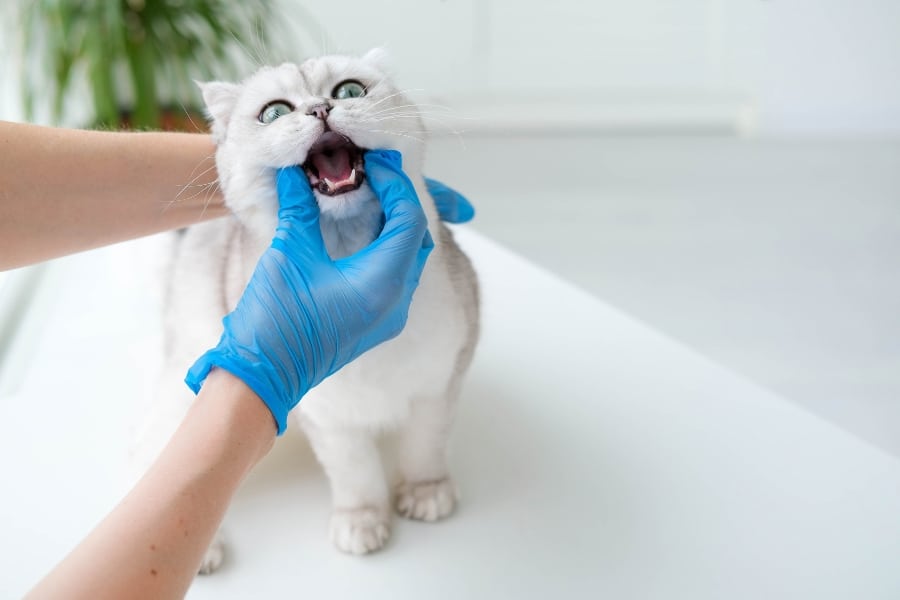
Checking your pet’s mouth at home can help you notice visible concerns. You might see tartar, red gums, a broken tooth, swelling, or an unusual spot. However, a home inspection cannot provide a complete assessment of oral health.
Much of dental disease can develop beneath the gumline. Additionally, pets may not cooperate with a thorough examination, making it difficult to inspect every tooth and surrounding tissue.
A veterinary dental examination allows the professional team to assess areas that are difficult for owners to evaluate. When necessary, dental X-rays can provide additional information about tooth roots and structures beneath the gums.
How Regular Dental Exams Can Help
Preventive dental examinations allow your veterinarian to monitor your pet’s oral health over time. Instead of waiting until your pet develops obvious pain or difficulty eating, regular evaluations can help identify problems earlier.
During an examination, the veterinary team may assess the condition of the teeth, gums, oral tissues, and overall mouth. If they discover an area of concern, they can recommend appropriate next steps based on your pet’s individual needs.
Regular visits also give you an opportunity to discuss home dental care. Your veterinarian can recommend appropriate brushing techniques, dental products, treats, diets, and other options based on your pet’s age, size, health, and dental history.
Simple Ways to Support Your Pet’s Dental Health
Professional care is important, but your daily routine can also contribute to healthier teeth and gums.
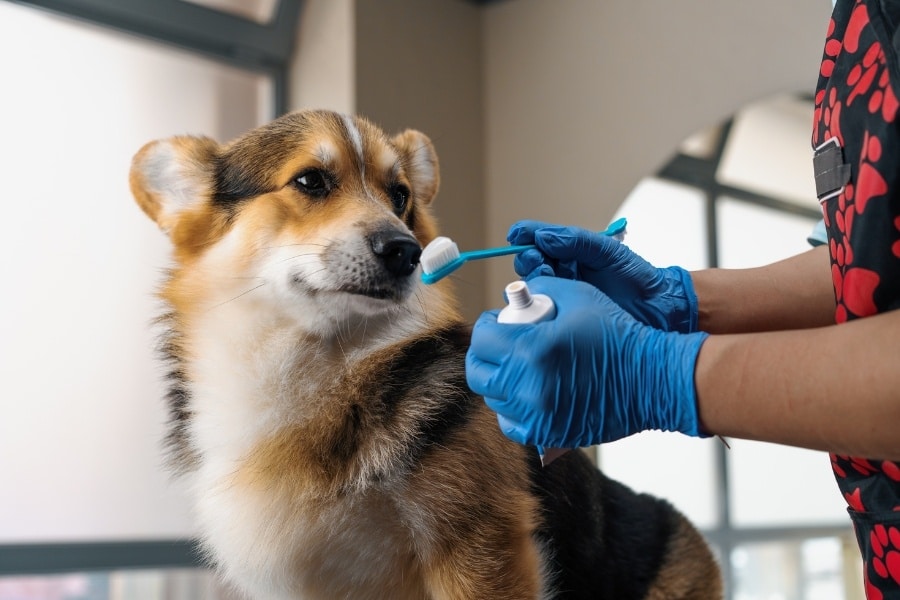
If your veterinarian recommends tooth brushing, introduce it gradually. Allow your pet to become comfortable with having their mouth handled before attempting a full brushing routine.
Always use toothpaste specifically formulated for pets. Human toothpaste is not designed for animals and may contain ingredients that are inappropriate for them.
You can also ask your veterinary team about dental diets, treats, chews, and other oral hygiene products. Not every product is suitable for every pet, and extremely hard objects can potentially damage teeth.
Most importantly, combine home care with professional dental evaluations. One approach supports the other, creating a more complete oral health routine.
When Should You Schedule a Dental Evaluation?
Do not wait until your pet refuses food before seeking veterinary advice. Contact your veterinarian if you notice:
- Persistent bad breath
- Bleeding or swollen gums
- A broken or loose tooth
- Facial swelling
- Excessive drooling
- Difficulty chewing
- Dropping food
- Changes in appetite
- Reluctance to have the mouth touched
- A new lump or unusual oral tissue
Even when your pet appears healthy, routine dental evaluations can help detect problems that remain hidden.
For families seeking pet dentistry easley, professional veterinary care can provide a closer look at your pet’s oral health and help determine whether treatment or preventive care is appropriate.
Your pet may be hiding a dental problem without realizing it. Because animals often adapt to discomfort, seemingly minor changes can sometimes provide the earliest clues that something is wrong.
Pay attention to changes in eating, chewing, play, breath, drooling, and behavior. At the same time, remember that many dental conditions develop beneath the gumline and cannot be accurately identified through a quick home inspection.
Consistent pet dental care easley can help support healthier teeth and gums while allowing potential problems to be identified before they become more complicated. With regular veterinary examinations and appropriate home care, you can take a proactive approach to your pet’s oral health.
Schedule your appointment with Paw Prints Animal Hospital to have your pet’s dental health professionally evaluated.
Frequently Asked Questions
Q1. Can pets have dental disease without showing obvious symptoms?
Ans: Yes. Pets often hide signs of discomfort and may continue eating or playing despite dental disease. Subtle changes in chewing, food preferences, breath, or behavior may be the only early clues.
Q2. Is bad breath in pets always a sign of dental disease?
Ans: Persistent bad breath can be associated with plaque, tartar, gum disease, infection, or other oral problems. While occasional odor may occur, ongoing strong breath should be discussed with a veterinarian.
Q3. How can I tell if my pet has a painful tooth?
Ans: Signs may include chewing on one side, dropping food, avoiding hard treats, excessive drooling, reluctance to have the face touched, or changes in eating behavior. Some pets, however, may show very few signs.
Q4. Can a broken tooth cause problems even if my pet is still eating?
Ans: Yes. A fractured tooth can expose sensitive internal structures and cause pain or infection. Pets may continue eating while adapting how they chew, so a suspected fracture should be professionally evaluated.
Q5. Why are dental X-rays sometimes recommended for pets?
Ans: Dental X-rays can reveal problems below the gumline, including changes involving tooth roots and surrounding structures. These areas cannot be fully evaluated through a visual examination alone.
Q6. How can I protect my pet’s teeth at home?
Ans: Depending on your veterinarian’s recommendations, you can support oral health through regular brushing with pet-safe toothpaste and appropriate dental products. Professional dental evaluations should complement home care.