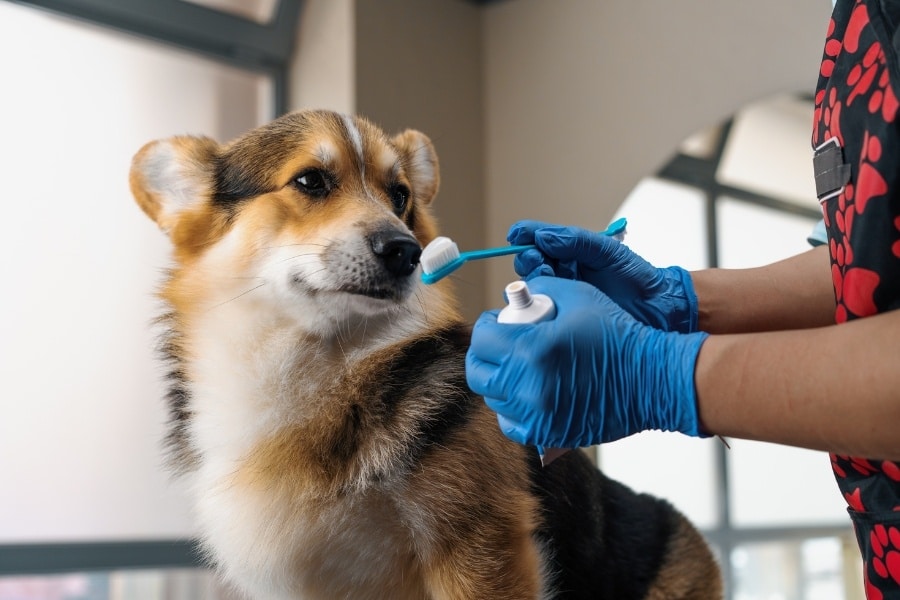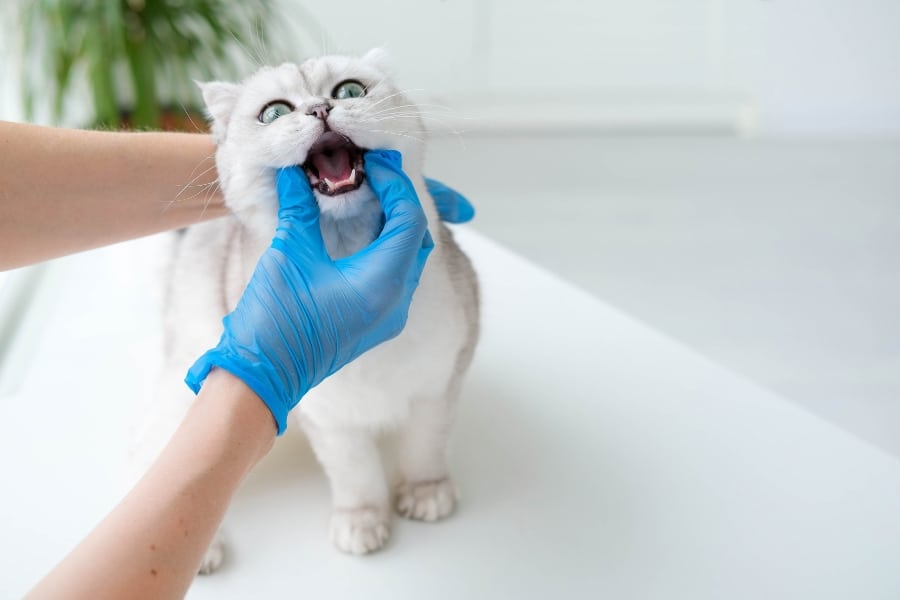
Many pet owners brush their dog’s or cat’s teeth regularly and assume their pet’s mouth is fully protected. However, brushing alone may not prevent every dental concern. Even with consistent home care, pets can still develop plaque buildup, gum problems, or hidden dental issues that require professional attention.
At Paw Prints Animal Hospital, located in Easley, we understand that our local pet owners want to protect their companions’ health in every way possible. Knowing why dental problems can continue despite brushing can help you recognize concerns earlier and make informed decisions about your pet’s oral health.
Why Can Pets Still Develop Dental Problems After Regular Brushing?
Brushing your pet’s teeth is an important part of maintaining oral hygiene, but it does not always reach every area of the mouth. Some dental problems can develop below the gumline or in places that are difficult to clean at home.
Common reasons pets may still experience dental issues include:
- Plaque and tartar buildup in hard-to-reach areas
- Existing dental disease that developed before brushing started
- Breed, age, or genetic factors that increase risk
- Incomplete brushing routines
- Lack of professional dental evaluations
Home brushing helps reduce bacteria and plaque, but it works best as part of a complete approach to maintaining your pet’s oral health.
Plaque Can Turn Into Tartar Despite Regular Brushing
Plaque is a sticky layer of bacteria that naturally forms on teeth. When it is not fully removed, it can harden into tartar. Unlike soft plaque, tartar cannot always be removed with brushing alone.
Tartar buildup can irritate the gums and create spaces where bacteria continue to grow. Over time, this may contribute to inflammation, discomfort, and other oral health concerns.
Some areas, such as the back teeth and areas near the gumline, can be challenging for pet owners to clean thoroughly. This is one reason professional evaluations remain important even when brushing is part of your pet’s routine.
Some Dental Problems May Develop Below The Gumline
One of the biggest reasons pets can have dental issues despite brushing is that not all problems are visible. A pet may appear to have clean teeth while still having underlying concerns.
Dental problems below the gumline may involve:
- Gum inflammation
- Tooth root concerns
- Painful areas that are difficult to notice
- Changes affecting the supporting structures of teeth
A veterinary dental examination can help identify concerns that are not obvious during normal brushing.
Age, Breed, And Individual Risk Factors Can Affect Oral Health
Some pets are naturally more prone to dental problems. Smaller dog breeds often have crowded teeth, which can make cleaning more difficult. Cats and dogs of any size may also develop dental concerns as they age.
Other factors that may influence dental health include:
- Previous dental history
- Diet and chewing habits
- Genetics
- Overall health conditions
This means two pets with the same brushing routine may still have different dental outcomes.
Signs Your Pet May Need A Dental Examination
Pets often hide oral discomfort, making dental issues difficult for owners to notice early. Pay attention to changes such as:
- Bad breath that does not improve
- Dropping food while eating
- Chewing on one side of the mouth
- Red or swollen gums
- Excessive drooling
- Pawing at the mouth
- Reduced interest in eating
- Loose or damaged teeth
These signs can have different causes, so professional pet dental care is needed to understand what may be affecting your pet.
How Veterinarians Evaluate Dental Problems In Pets
A dental evaluation involves more than looking at your pet’s teeth. A veterinarian checks the mouth, gums, and teeth condition, and looks for signs of discomfort.
Depending on your pet’s needs, the evaluation may include:
- Checking for plaque and tartar accumulation
- Assessing gum health
- Looking for damaged or loose teeth
- Evaluating areas that may need additional care
Regular veterinary dental visits help identify problems earlier and allow pet owners to discuss suitable options for their pets.
For pet owners in Easley searching for ways to protect their dog’s or cat’s oral health, visit our veterinary hospital for a professional assessment. A complete approach to pet dental care combines home routines with veterinary guidance.
Can Brushing Prevent All Dental Issues In Dogs And Cats?
Brushing is one of the most helpful habits pet owners can maintain, but it does not guarantee that dental problems will never occur. It reduces plaque but cannot always address existing tartar, hidden concerns, or conditions influenced by age and genetics.
Professional dental care may be recommended when a pet has signs of dental disease or when routine examinations reveal concerns that need attention.
Along with brushing, pet owners can support oral health by:
- Following recommended dental care schedules
- Monitoring changes in eating habits
- Providing veterinarian-approved dental products
- Scheduling regular wellness visits
When Should You Schedule Professional Dental Care For Your Pet?
If your pet has persistent bad breath, visible tartar, gum changes, or signs of mouth discomfort, scheduling a veterinary examination is an important next step.
Dental problems may become more difficult to manage when left unnoticed. Early evaluation allows veterinarians to determine what care your pet may need based on their individual condition.
Paw Prints Animal Hospital provides dental services designed to help dogs and cats maintain healthier mouths and address concerns that cannot be managed through brushing alone. If you notice changes in your pet’s dental health, schedule an appointment today to discuss their needs and explore available treatment options.
FAQs
Q1. Why does my dog still have bad breath after brushing its teeth?
Ans: Bad breath can continue even with brushing if plaque, tartar, gum irritation, or other dental concerns are present. A veterinary examination can help identify the cause of the persistent odor and determine the next steps in care.
Q2. How often should my pet receive a dental examination?
Ans: The recommended schedule depends on your pet’s age, health, breed, and dental history. Regular wellness visits allow our veterinarians to monitor changes and recommend appropriate dental care when needed.
Q3. Can brushing my cat’s teeth prevent all dental problems?
Ans: Brushing helps reduce plaque but may not prevent every dental issue. Cats can still develop concerns in areas that are difficult to clean or problems that require professional dental care.
Q4. What dental services does Paw Prints Animal Hospital provide for pets?
Ans: Paw Prints Animal Hospital offers veterinary dental care to help identify and manage oral health concerns in dogs and cats. The team can evaluate your pet’s teeth, gums, and overall mouth health to recommend suitable care options.
Q5. Is professional dental cleaning necessary if my pet’s teeth look clean?
Ans: Yes, because some dental problems can develop below the gumline or in hard-to-see areas. Veterinary examinations help detect concerns that may not be visible during home brushing.
Q6. How can I improve my pet’s oral health at home?
Ans: Along with regular brushing, pet owners can monitor their pet’s eating habits, watch for changes in the mouth, use veterinarian-approved dental products, and maintain routine veterinary visits for ongoing support.