
Food allergies in dogs can develop slowly and create discomfort that many pet owners mistake for minor skin or stomach issues. Dogs with food sensitivities often show signs through itching, ear irritation, digestive upset, or changes in energy levels.
Recognizing these symptoms early can help prevent discomfort and support better long-term health. This guide explains common signs of food allergies in dogs, when a diet change may be necessary, and how healthier eating habits can improve comfort.
What Causes Food Allergies in Dogs?
Food allergies happen when a dog’s immune system reacts negatively to certain ingredients. Some dogs develop sensitivities to proteins such as chicken, beef, dairy, or eggs. Others react to grains, artificial flavors, or preservatives found in lower-quality foods.
Common Signs of Food Allergies in Dogs
1. Persistent Itching and Skin Irritation
Constant scratching is one of the most common dog food allergy symptoms. Dogs may chew their paws, rub against furniture, or scratch around the ears and neck. Skin redness, rashes, or dry patches may appear.
Some pets develop hot spots from repeated licking or chewing. Skin irritation that continues despite regular grooming may signal a deeper issue connected to diet.
2. Ear Problems and Odor
Frequent ear infections can be linked to food sensitivities. Dogs with allergies may shake their heads often or develop redness inside the ears. A strong odor or dark discharge may become noticeable.
Recurring ear irritation should not be ignored. Many dogs experience relief once triggering ingredients are removed from their meals.
3. Digestive Upset
Digestive problems are another common warning sign. Vomiting, loose stool, gas, or stomach discomfort can point toward food intolerance or allergies.
Some dogs lose interest in meals because eating becomes uncomfortable. Monitoring eating patterns can help identify possible food triggers.
4. Changes in Coat Quality
A dull coat may indicate poor absorption of nutrients caused by allergic reactions. Excessive shedding or dry fur can appear when the body struggles to process certain ingredients.
Balanced meals focused on healthy pet nutrition may support stronger skin and coat condition over time.
When to Change Your Dog’s Diet
A diet change becomes important when symptoms continue despite basic care. Ongoing itching, repeated digestive upset, or recurring ear irritation should be evaluated carefully.
Pet owners should avoid changing foods too often without a plan. Sudden switches may create stomach discomfort. A gradual transition often works best for sensitive dogs.
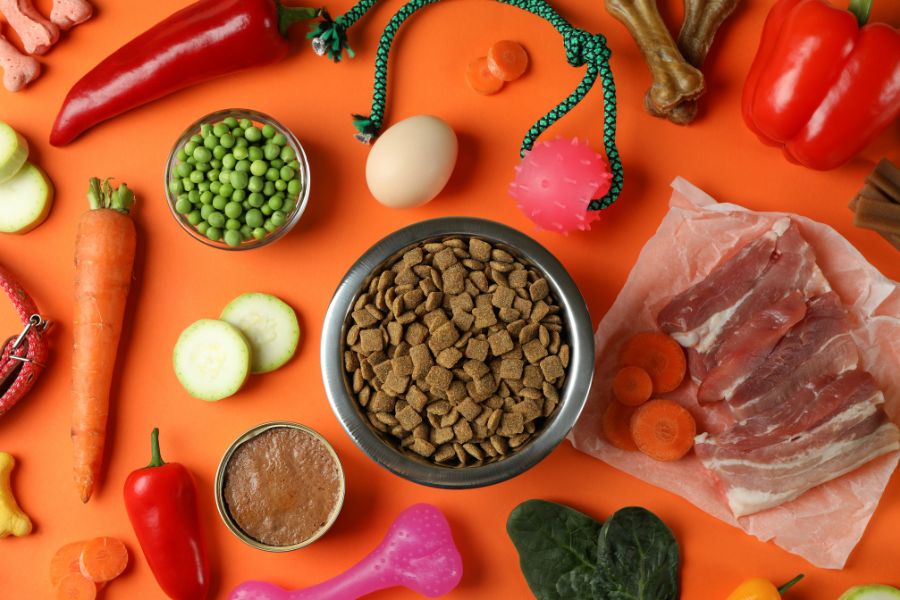
Reading ingredient labels carefully is important. Limited-ingredient diets may help reduce exposure to common triggers.
Dogs with allergies often benefit from simple recipes made with clearly identified ingredients.
Supporting Dogs Through Better Nutrition
Healthy eating habits can improve comfort, energy, and skin condition. Fresh water, portion control, and balanced meals contribute to better wellness.
Owners should monitor reactions after introducing new foods or treats. Keeping a food journal may help track symptoms and identify ingredients connected to flare-ups.
At Paw Prints Animal Hospital, we support pet owners through booking an appointment for personalized guidance, nutritional support, and long-term care plans designed around each dog’s specific needs. Book a schedule
Preventing Future Food Allergy Problems
Preventing future reactions starts with consistency. Dogs with sensitive stomachs often do better when they stay on stable diets without frequent table scraps or processed treats.
Maintaining a clean feeding area may help reduce contamination from leftover food particles or expired products.
Conclusion
Food allergies in dogs can affect comfort, digestion, skin health, and behavior. Recognizing the signs early gives pet owners the chance to make informed decisions before symptoms become more severe. Careful ingredient selection, balanced meals, and observation can help many dogs live happier and healthier lives.
Early attention often reduces discomfort and supports healthier digestion, skin condition, energy, and overall happiness. If you are located in Easley, connect with Paw Prints Animal Hospital facility, where compassionate support and community-focused care come together for your pet’s overall well-being.
Frequently Asked Questions(FAQs):
1. What foods commonly trigger allergies in dogs?
A: Common food allergy triggers include chicken, beef, dairy, wheat, soy, and eggs. Some dogs react to artificial preservatives found in processed pet foods. Identifying triggers may require close monitoring and gradual dietary adjustments over time.
2. How long does it take to notice improvement after changing a dog’s diet?
A: Many dogs begin showing improvement within several weeks after removing triggering ingredients from their meals. Skin irritation and digestive problems may take longer to settle completely. Consistency with the new diet supports better long-term results.
3. Can food allergies cause ear infections in dogs?
A: Yes, recurring ear irritation can sometimes be linked to food sensitivities. Dogs with allergies often develop redness, itching, odor, or discharge inside the ears. Dietary changes may reduce inflammation and help decrease repeated flare-ups in some pets.
4. Are food allergies and food intolerance the same thing?
A: Food allergies involve an immune system response, while food intolerance mainly affects digestion. Both conditions may create vomiting, diarrhea, or discomfort. Observation of symptoms and dietary patterns can help determine which issue may be affecting your dog.
5. Should I switch my dog’s food immediately after noticing symptoms?
A: Abrupt food changes may upset digestion further. Gradual transitions are usually recommended when introducing a new diet. Monitoring symptoms carefully during the process can help identify whether the new food supports better comfort and digestive health.
6. Why is professional guidance important for dogs with food allergies?
A: Professional guidance helps pet owners identify possible triggers, choose balanced meals, and avoid unnecessary ingredient changes. Ongoing support helps monitor progress and maintain healthy nutrition plans that match a dog’s age, lifestyle, and specific dietary needs.