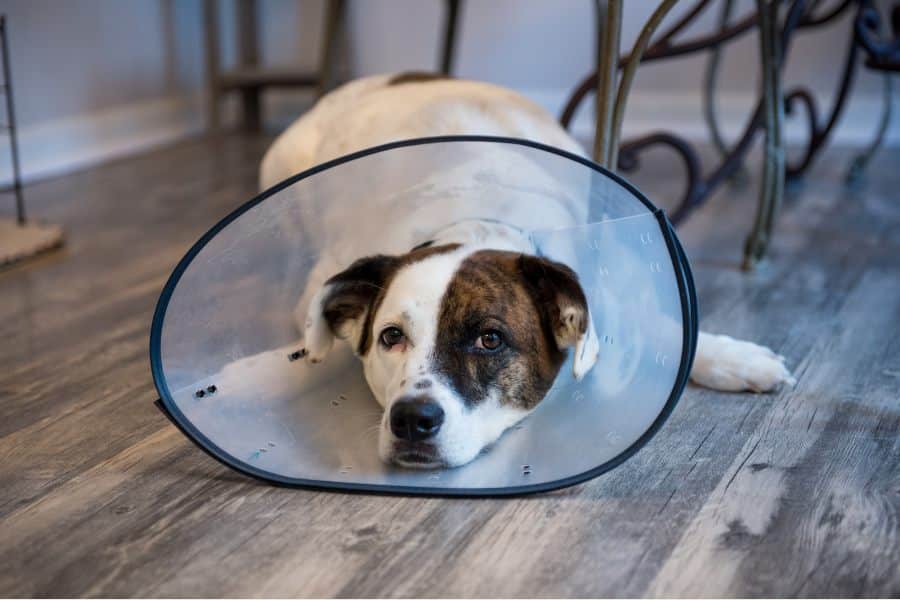


Aging pets require close attention because physical and behavioral changes can develop slowly. Many senior dogs and cats continue acting normally while underlying health concerns progress quietly. Regular wellness exams help detect issues early, improve comfort, and support a better quality of life.
Appetite changes, mobility problems, unusual thirst, and shifts in behavior may indicate that your companion needs more frequent medical monitoring. This guide explains seven signs every pet owner should watch for. Families searching for reliable support and compassionate senior pet care often benefit from consistent checkups and preventive guidance in Easley.
1. Noticeable Changes in Appetite
A reduced appetite may point to dental discomfort, digestive concerns, kidney disease, or chronic pain. Some pets begin eating more because of thyroid imbalance or diabetes. Sudden weight loss also deserves attention, especially in older cats.
Watch for these signs:
- Refusing favorite foods
- Difficulty chewing
- Weight fluctuations
- Increased begging for food
Keeping a simple feeding journal can help identify patterns before they become serious concerns.
2. Increased Thirst or Frequent Urination
Older pets commonly experience changes in drinking and bathroom habits. Kidney disease, diabetes, and hormone-related conditions often appear gradually. Many owners notice fuller water bowls or more frequent accidents inside the house.
Contact your care team if your pet shows:
- Excessive water intake
- Overnight accidents
- Frequent litter box visits
- Strong-smelling urine
Routine bloodwork and urine testing help identify problems earlier and support effective treatment plans.
3. Trouble Walking or Climbing
Joint stiffness becomes common with age. Arthritis can affect dogs and cats differently, though both may hide discomfort. Some pets stop jumping onto furniture, avoid stairs, or hesitate during walks.
Mobility concerns may include:
- Limping after exercise
- Slow rising from rest
- Reluctance to jump
- Reduced activity levels
Pain management, weight control, and supportive therapies often improve comfort for senior pets.
4. Changes in Behavior or Mood
Behavioral changes may indicate cognitive decline, discomfort, hearing loss, or vision impairment. A friendly pet may become withdrawn. An independent cat may suddenly become clingy.
Monitor changes such as:
- Increased confusion
- Nighttime pacing
- Hiding behavior
- Irritability during handling
Early evaluation helps identify causes behind behavioral shifts.
5. Bad Breath or Dental Problems
Persistent bad breath should never be ignored. Dental disease affects many aging pets and can lead to infections, tooth loss, and difficulty eating. Bacteria from oral disease may also affect major organs.
Signs of dental issues include:
- Red gums
- Drooling
- Loose teeth
- Pawing at the mouth
Professional dental care and home hygiene routines help protect long-term health and comfort.
6. Skin, Coat, or Lump Changes
Senior pets often develop dry skin, thinning fur, or new lumps. Some growths remain harmless, while others require medical attention. Skin infections and allergies can also become more noticeable with age.
Schedule an exam if you notice:
- New bumps or swelling
- Hair loss patches
- Persistent itching
- Slow-healing wounds
Regular skin checks help identify unusual changes before complications develop.
7. Low Energy or Reduced Interest in Activities
Aging pets naturally slow down, though extreme fatigue should not be dismissed. Low energy may result from heart disease, chronic pain, respiratory conditions, or metabolic disorders.
Pay attention to your pet:
- Sleeps far more than usual
- Avoids walks or play
- Tires quickly
- Shows reduced social interaction
Frequent wellness visits allow care teams to monitor physical changes and recommend supportive treatments.
Supporting Your Senior Pet at Home
Daily observation plays a major role in healthy aging. Keep routines consistent and monitor small physical or behavioral changes.
At Paw Prints Animal Hospital, we provide personalized guidance for aging dogs and cats while helping families schedule an appointment for preventive exams, pain management, and nutritional support through every life stage.
Frequently Asked Questions (FAQs):
1. How often should senior pets receive wellness exams?
A: Most senior pets benefit from exams every six months. Older animals age faster than humans, which means medical conditions can progress quickly. Frequent visits allow earlier detection of health concerns and provide opportunities for supportive care and long-term comfort.
2. What age is considered senior for dogs and cats?
A: Many cats are considered senior around age ten. Dogs often enter their senior years between seven and ten years old, depending on breed size. Larger dogs usually age faster and may require earlier monitoring for joint, heart, and mobility concerns.
3. Why do older pets need more bloodwork?
A: Bloodwork helps identify hidden conditions before visible symptoms appear. Kidney disease, thyroid imbalance, diabetes, and liver concerns often develop quietly in senior pets. Regular laboratory testing supports earlier treatment, improved comfort, and more accurate monitoring of ongoing health conditions.
4. Can behavior changes signal health problems in senior pets?
A: Yes. Confusion, irritability, pacing, withdrawal, or increased vocalization may indicate discomfort, cognitive decline, hearing loss, or vision changes. Behavioral shifts should never be dismissed as normal aging without proper evaluation because underlying medical issues often contribute to these symptoms.
5. Are mobility issues always caused by arthritis?
A: Not always. Arthritis is common in aging pets, though mobility changes may also result from injuries, neurological conditions, muscle loss, or spinal problems. A physical examination helps determine the cause and supports the development of an effective treatment or pain management plan.
6. What can owners do at home to support senior pets?
A: Provide soft bedding, nutritious meals, moderate activity, and regular observation. Keep water accessible and reduce household obstacles that may strain joints. If you’re located in Easley, connect with our compassionate team where community-focused support and attentive care help protect your pet’s well-being.