
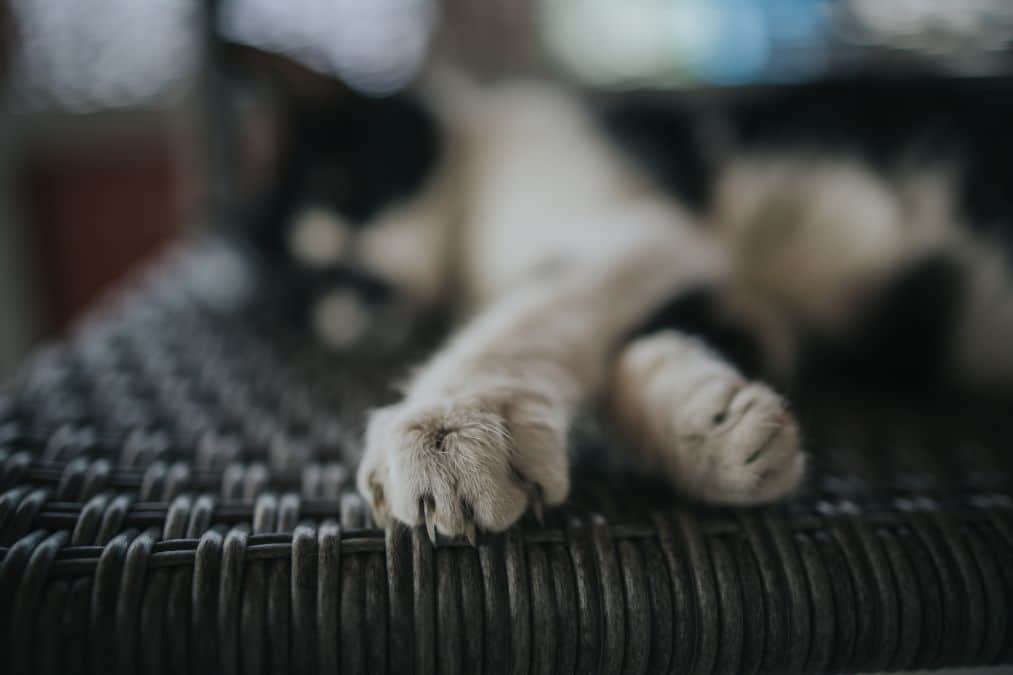
Your cat’s paws and claws support every jump, climb, stretch, and step they take each day. Healthy paws help with balance, mobility, and comfort. Strong, well-maintained claws are essential for scratching, grooming, and natural behavior. During routine wellness visits, paw health and claw maintenance are important parts of a complete physical examination.
Professionals look for signs of injury, infection, overgrown nails, hidden pain, and underlying health concerns that may affect your cat’s quality of life. This guide explains what is checked during every cat exam, common paw and claw problems, preventive care tips, and when to seek help.
Understanding these evaluations can help cat owners support long-term feline wellness and keep their pets comfortable throughout every stage of life.
Why Paw Health Matters for Cats
A cat’s paws do much more than help them walk. Paw pads absorb shock, provide traction, and protect sensitive tissues. Healthy paws allow cats to move naturally and confidently.
Cats often hide discomfort well. A minor paw injury or claw problem can go unnoticed until symptoms become more severe. Regular exams help identify issues early before they affect mobility or daily activities.
Routine assessments of cat paw health can reveal concerns ranging from cuts and infections to arthritis-related discomfort. Early detection often leads to better outcomes and improved comfort.
What Professionals Check During a Cat Paw Exam
1. Paw Pad Condition
The paw pads are examined for cracks, cuts, swelling, burns, dryness, and foreign objects. Small injuries can become painful if left untreated.
Professionals also look for changes in color, texture, or sensitivity. These signs may indicate infection, inflammation, or another underlying concern.
2. Skin Between the Toes
The spaces between the toes can trap debris, litter particles, and irritants. During a cat exam, these areas are inspected for redness, swelling, wounds, and signs of infection.
Interdigital cysts and skin irritation may develop in some cats. Identifying these problems early helps prevent worsening discomfort.
3. Walking and Weight Distribution
Observation of movement provides valuable information about paw health. Limping, uneven weight distribution, or hesitation while walking may suggest pain or injury.
Changes in gait can also indicate joint problems that affect how a cat uses its paws.
How Claw Maintenance Is Evaluated
1. Nail Length and Growth
Cat claw care includes assessing nail length and growth patterns. Overgrown claws can curl into the paw pad, creating pain and infection risks.
Senior cats are particularly prone to overgrown nails because they may scratch less frequently than younger cats.
2. Broken or Split Claws
A damaged claw can be painful and may become infected. During an examination, each claw is checked for cracks, splits, and signs of trauma.
Broken nails often occur after climbing, jumping, or accidentally snagging on household materials.
3. Nail Bed Health
The tissue surrounding each claw is inspected for swelling, redness, discharge, and tenderness. These symptoms may indicate inflammation or infection.
Healthy nail beds are an important part of overall feline paw health.
Common Paw and Claw Problems in Cats
1. Overgrown Nails
One of the most common findings during routine visits is overgrown claws. Cats that spend more time indoors or have mobility challenges may not wear down their nails naturally.
Regular nail trimming helps prevent discomfort and injury.
2. Paw Pad Injuries
Sharp objects, rough surfaces, and outdoor hazards can cause cuts or puncture wounds. Even small injuries may lead to significant discomfort.
Prompt evaluation supports proper healing and reduces complications.
3. Infections
Bacterial and fungal infections can affect both paws and claws. Symptoms often include redness, swelling, odor, discharge, and excessive licking.
Professional assessment helps determine the appropriate treatment plan.
4. Allergies
Environmental and food-related allergies sometimes appear as paw irritation. Cats may chew, lick, or bite their feet excessively.
Persistent paw licking should never be ignored.
Signs Cat Owners Should Watch For
Many paw and claw problems develop gradually. Monitoring your cat at home can help identify concerns between routine visits.
Watch for:
- Limping or favoring one paw
- Excessive licking or chewing of feet
- Swollen toes or paw pads
- Bleeding around the nails
- Cracked paw pads
- Difficulty jumping
- Visible nail damage
- Reluctance to walk on certain surfaces
Any of these signs may indicate a need for professional evaluation.
At-Home Paw and Claw Care Tips
Regular maintenance supports healthy paws and claws throughout your cat’s life.
1. Inspect Paws Frequently
Check your cat’s paws every few weeks. Look for cuts, swelling, debris, and nail abnormalities.
Routine inspections help identify problems before they become serious.
2. Trim Nails Safely
Consistent nail trimming is an essential part of cat claw maintenance. Keeping nails at an appropriate length reduces the risk of overgrowth and injury.
If you are unsure how to trim your cat’s nails safely, ask for guidance during your next visit.
3. Keep Indoor Surfaces Clean
Clean floors and litter boxes help reduce exposure to irritants and bacteria. A clean environment supports healthy paw pads and nail beds.
4. Provide Scratching Opportunities
Scratching posts help cats maintain their claws naturally while supporting healthy physical and behavioral activity.
The Role of Preventive Exams
Preventive care plays a major role in protecting feline paw health. Regular wellness visits provide opportunities to identify subtle changes that owners may not notice at home.
Many clinics include paw and nail assessments as part of their comprehensive cat wellness exams. These evaluations help detect injuries, infections, mobility concerns, and claw abnormalities before they become more difficult to manage.
Keep Your Cat Comfortable and Active
Healthy paws and properly maintained claws contribute to every aspect of your cat’s daily life. Routine examinations, regular nail care, and early attention to warning signs help support comfort, mobility, and long-term wellness.
If you live in Easley and want to ensure your cat’s paws and claws stay in excellent condition, the team at Paw Prints Animal Hospital is here to help. Schedule a wellness visit today and book an appointment to give your feline companion the preventive care they deserve.
Frequently Asked Questions(FAQs):
1. How often should my cat’s nails be trimmed?
A: Most cats benefit from nail trimming every two to six weeks. Growth rates vary based on age, activity level, and health. Regular checks help determine the ideal schedule for your cat.
2. Why does my cat constantly lick its paws?
A: Excessive paw licking may be caused by allergies, irritation, injury, infection, or pain. Persistent licking should be evaluated to identify the underlying cause and prevent further complications.
3. Can overgrown claws hurt my cat?
Yes. Overgrown claws can curl into the paw pad, causing pain, inflammation, infection, and difficulty walking. Regular claw maintenance helps prevent these issues and supports comfortable movement.
4. What are the signs of a paw infection in cats?
A: Common signs include redness, swelling, discharge, odor, limping, and excessive licking. Early evaluation helps determine the cause and allows appropriate treatment before symptoms worsen.
5. Do indoor cats need regular claw care?
A: Absolutely. Indoor cats still require routine nail trimming and claw assessments. Limited natural wear can increase the risk of overgrown nails and related paw problems.
6. What happens during a cat paw and claw examination?
A: A complete examination includes checking paw pads, skin between the toes, nail length, claw condition, nail beds, and overall mobility. These assessments help identify injuries, infections, and other concerns early.