

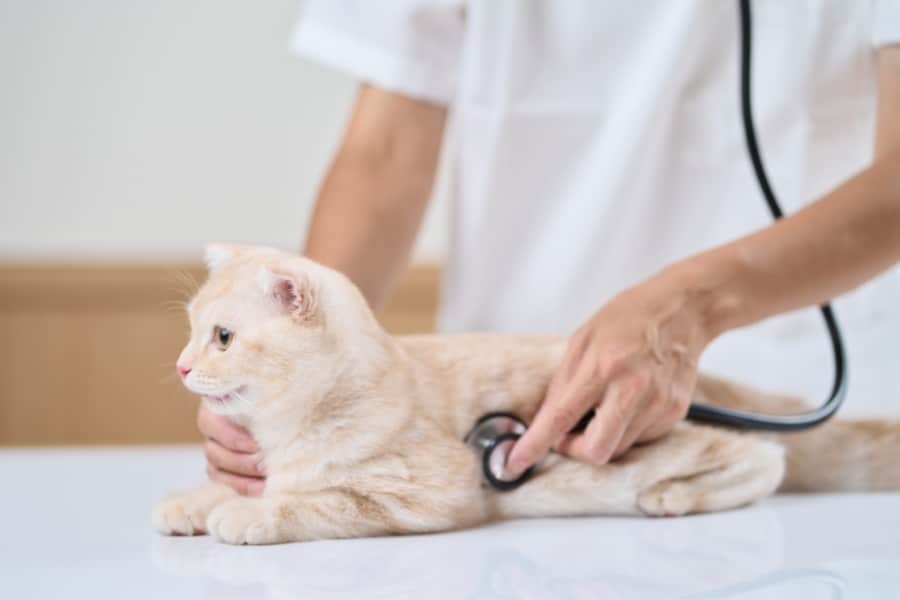
Hearing that your pet needs the same diagnostic test again can be confusing. You may wonder whether the first test was inaccurate, whether something has changed, or whether another expense is really necessary. These are reasonable questions, and understanding the reason for repeat testing can make the recommendation easier to navigate.
In veterinary medicine, one test result does not always tell the whole story. Repeating a test can help confirm an unexpected finding, track a change over time, or determine whether a treatment is having the intended effect. The reason depends on your pet’s symptoms, medical history, and the information the original test provided.
For pet owners in Easley, SC, understanding how pet diagnostic care uses follow-up testing can help you feel more informed when discussing your pet’s health with Paw Prints Animal Hospital.
A Result Is a Snapshot, Not the Whole Story
Many diagnostic tests measure what is happening at a particular moment. But a pet’s body is constantly changing, and a single measurement may not show whether an abnormality is temporary, persistent, or developing.
Imagine that a blood test shows a value outside the expected range. The finding may be important, but it does not always identify the cause on its own. Depending on the result and your pet’s condition, the veterinarian may recommend repeating the test to see whether the value returns to its usual range, remains abnormal, or changes further.
The same principle applies when monitoring certain conditions. Comparing results from different dates can reveal a pattern that one test alone cannot show.
Five Reasons a Repeat Test May Be Recommended
1. To Check an Unexpected Result
Sometimes, a result does not fit with how a pet looks or feels. A repeat test may help determine whether the finding persists and whether it needs further investigation.
This does not automatically mean the original test was wrong. Biological variation, sample-related factors, and other circumstances can affect results. The veterinarian considers these possibilities before deciding what to do next.
2. To See Whether a Health Problem Is Changing
Some conditions develop gradually. A veterinarian may repeat bloodwork, urine testing, or another measurement to determine whether a finding is stable, improving, or becoming more concerning.
For example, comparing results over time may help the veterinary team assess a developing health concern and decide whether additional evaluation is needed.
3. To Monitor a Treatment Plan
When a pet receives treatment for certain conditions, follow-up testing can help assess the response and check for potential complications.
A veterinarian may recommend another blood test after starting or adjusting a medication, depending on the drug and the pet’s health. The results can help guide decisions about whether the current plan remains appropriate.
Never change a prescribed dose or stop medication based on your interpretation of a result. Discuss the findings with your veterinarian first.
4. To Follow Up on a Symptom That Has Not Resolved
A pet may continue showing symptoms even after an initial examination or test. If vomiting, changes in thirst, weight loss, or low energy persist, the veterinarian may need additional information.
Repeating a test may help establish whether an earlier abnormality is still present. Alternatively, the veterinarian may recommend a different test if the original one did not answer the main clinical question.
5. To Compare Results Before Making a Decision
Sometimes, the next step depends on whether a measurement has changed. A repeat test can provide a comparison point before the veterinarian recommends further investigation, adjusts monitoring, or evaluates a condition that may require additional care.
The timing matters. Testing too soon or too late may provide different information, so your veterinarian will determine an appropriate interval for your pet’s situation.
Why Timing and Preparation Matter
Repeat testing is not always performed immediately. The right timing depends on what the veterinarian is monitoring and how quickly the relevant measurement could change.
Preparation can also affect certain tests. Fasting requirements, medication schedules, hydration, and sample collection methods may matter depending on the procedure. Follow the veterinary team’s instructions and ask whether anything should be done differently before the next appointment.
If your pet’s symptoms change before the planned retest, let the hospital know. Do not wait for the scheduled date if your pet develops severe symptoms, difficulty breathing, collapse, or another emergency. Seek urgent veterinary care when needed.
Questions Worth Asking Before the Next Test
You do not need to interpret laboratory values yourself to take part in your pet’s care. A few direct questions can help you understand the recommendation:
- What did the first test show, and what remains uncertain?
- What information should the repeat test provide?
- When should the test be repeated, and why is that timing appropriate?
- Could the result change the treatment or monitoring plan?
- Are there preparation instructions or costs I should know about?
These questions help clarify the purpose of testing and what decisions may follow. If cost is a concern, tell the veterinary team. They can explain the priority of the test and discuss appropriate options for your pet’s situation.
Understanding the Purpose Behind Repeat Testing
A second test is not necessarily a sign that something has gone wrong. It may be a way to verify a finding, recognize a trend, or check whether a treatment is working as intended. The value comes from understanding what the result means alongside your pet’s overall health.
Paw Prints Animal Hospital can help pet owners understand diagnostic recommendations and how follow-up testing may contribute to evaluating their pets’ health.
Schedule an appointment to discuss your pet’s test results, ongoing symptoms, or recommended follow-up testing.
Frequently Asked Questions
Q1. Why would a veterinarian recommend repeating a diagnostic test?
Ans: A veterinarian may recommend repeat testing to confirm an unexpected result, monitor a health measurement, or determine whether a condition is improving or changing. Comparing results over time can provide useful information about your pet’s health.
Q2. How soon should a pet have a diagnostic test repeated?
Ans: The timing depends on the condition being evaluated, the type of test, and your pet’s overall health. Some tests may need to be repeated within a short period, while others are monitored over several weeks or months. Follow your veterinarian’s recommended timeline.
Q3. Can repeat diagnostic testing show different results from the first test?
Ans: Yes. Test results may change as your pet’s health changes. Some measurements can also vary because of factors such as hydration, medications, or normal biological fluctuations. Your veterinarian will compare both results to understand what the differences may mean.
Q4. How can Paw Prints Animal Hospital help me understand a repeat-testing recommendation?
Ans: The veterinary team can explain what the initial results indicate, why another test may be helpful, and how the findings could influence your pet’s care plan. You can also ask questions about timing, preparation, and what to expect.
Q5. What should I tell Paw Prints Animal Hospital before my pet’s follow-up test?
Ans: Share any changes in your pet’s symptoms, appetite, energy, or behavior since the previous test. Also mention current medications and supplements, and ask whether any preparation is needed before the appointment.
Q6. Should my pet still have a repeat test if their symptoms have improved?
Ans: Possibly. Improvement is encouraging, but it does not always mean the original health concern has completely resolved. Contact Paw Prints Animal Hospital to discuss your pet’s progress and confirm whether the follow-up test is still recommended.