

Hearing that your pet needs surgery can be overwhelming. You may immediately wonder why surgery is necessary, how to prepare, what recovery will involve, and how you can keep your pet comfortable afterward. Having clear information can make the process easier to understand and help you feel more prepared.
For pet owners in Easley, SC, choosing a veterinary team you trust can make an important difference when your pet needs a surgical procedure. Your veterinarian can explain the reason for surgery, discuss what to expect, and answer questions about your pet’s individual care.
Understanding pet surgery starts with knowing what happens before, during, and after a procedure. While every surgery is different, there are several practical steps owners can take to support their pet throughout the process.
Why Might a Pet Need Surgery?
Pets may need surgery for many different reasons, including injuries, growths, foreign objects, orthopedic problems, reproductive procedures, or conditions that cannot be adequately managed with medication alone.
Your veterinarian should explain why surgery is being recommended and whether other treatment options may be appropriate. Ask what the procedure is intended to address, what the expected recovery involves, and what risks or complications could occur.
Understanding the purpose of the procedure can help you make informed decisions about your pet’s care.
What Should You Do Before Your Pet’s Surgery?
Preparation begins with following your veterinarian’s instructions carefully. Depending on the procedure, you may receive specific directions about food, water, medications, activity, and arrival time.
Ask Questions About the Procedure
Before surgery, make sure you understand:
- Why the procedure is recommended
- What type of surgery your pet will receive
- How anesthesia will be managed
- Whether your pet needs any pre-surgical testing
- What recovery restrictions to expect
- Which medications may be prescribed afterward
- When your pet should return for a follow-up visit
If something is unclear, ask your veterinary team to explain it in simple terms. There is no need to feel embarrassed about asking the same question more than once.
Prepare a Recovery Area
Set up a quiet, comfortable space before bringing your pet home. Depending on your veterinarian’s instructions, you may need to restrict access to stairs, furniture, or other areas where jumping and excessive movement could occur.
Having the recovery area ready ahead of time can make the transition home calmer for both you and your pet.
What Happens During Pet Surgery?
During surgery, your pet is typically monitored by the veterinary team while under anesthesia. The specific process depends on the procedure, your pet’s health, and the clinic’s surgical protocols.
Before the procedure, your veterinarian may recommend a physical examination and diagnostic testing to help evaluate your pet’s health and determine whether additional precautions are needed.
After surgery, your pet may remain under observation while recovering from anesthesia. Your veterinary team will determine when your pet is ready to go home and provide instructions for continued care.
What Should You Expect During Recovery?
The recovery period varies depending on the type of surgery and your pet’s overall health. Some pets may be sleepy or less interested in food shortly after anesthesia, while others may become restless as they begin feeling better.
Follow the discharge instructions provided by your veterinarian rather than relying on your pet’s energy level alone. A pet that suddenly feels better may still need restricted activity while tissues heal.
Protect the Surgical Site
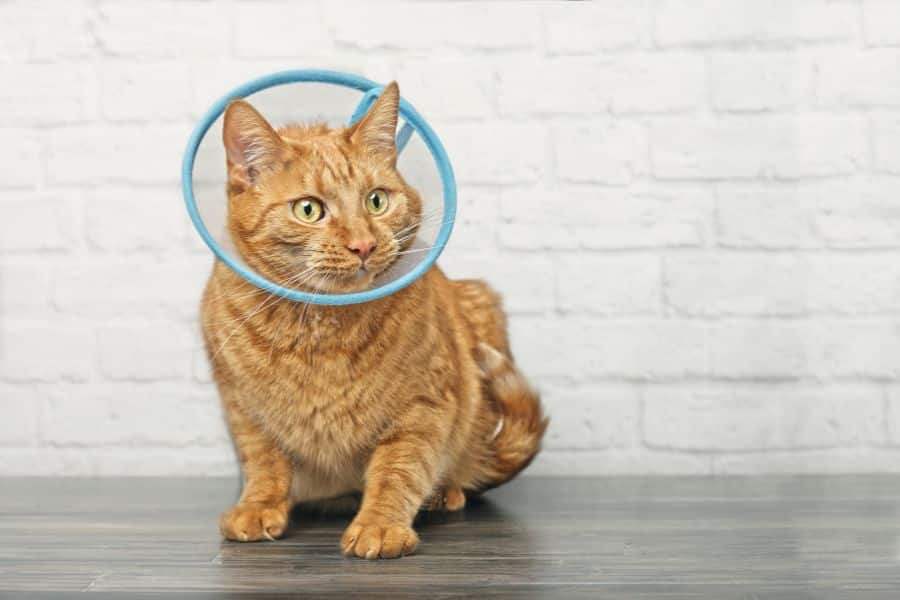
Prevent your pet from licking, chewing, or scratching the incision. If your veterinarian recommends an Elizabethan collar or another protective device, use it according to their instructions.
Check the incision as directed and contact your veterinary team if you notice concerning changes such as increasing swelling, significant bleeding, discharge, or separation of the incision.
Give Medications as Directed
Administer prescribed medications exactly as instructed. Never give your pet human pain medication unless a veterinarian specifically tells you to do so, since some medications that are safe for people can be dangerous to animals.
If your pet has difficulty taking medication or appears to have an unusual reaction, contact your veterinary team for guidance.
How Can You Help Your Pet Heal Safely?
The best way to support recovery is to follow the individualized plan provided by your veterinarian. Keep your pet comfortable, limit activity when instructed, monitor eating and drinking, and watch for changes in behavior or the surgical site.
Keep follow-up appointments even if your pet seems to be recovering well. A veterinary examination can help determine whether healing is progressing as expected and whether activity restrictions or other instructions need to change.
For additional ongoing support, relevant services such as [pet wellness care] and [preventive veterinary care] can help address your pet’s broader health needs before and after surgical treatment.
When Should You Contact a Veterinarian?
Contact your veterinary team if your pet develops significant bleeding, worsening swelling, substantial discharge, difficulty breathing, repeated vomiting, severe discomfort, extreme weakness, or another sudden change that concerns you.
You should also reach out if your pet repeatedly interferes with the incision, cannot take prescribed medication, or does not seem to be improving as expected.
If you are unsure whether a change is normal after surgery, it is safer to contact the veterinary team rather than trying to manage the problem on your own.
A surgery recommendation can feel intimidating, but understanding the process can help you approach your pet’s care with greater confidence. Ask questions before the procedure, prepare a safe recovery space, follow post-operative instructions closely, and stay attentive to changes during healing.
If your pet needs a surgical evaluation or you have questions about preparing for a procedure, Paw Prints Animal Hospital can help you understand the next steps. Schedule an appointment today to discuss your pet’s surgical care and recovery needs.
Frequently Asked Questions
Q1. How do I prepare my pet for surgery?
Ans: Follow your veterinarian’s instructions about food, water, medications, activity, and arrival time. Preparing a quiet recovery area at home can also make the transition easier.
Q2. How long does pet surgery recovery take?
Ans: Recovery time depends on the type of procedure, your pet’s health, and other individual factors. Your veterinarian can provide a more specific recovery timeline and activity guidelines.
Q3. What are warning signs after pet surgery?
Ans: Significant bleeding, worsening swelling, discharge, severe pain, difficulty breathing, repeated vomiting, extreme weakness, or an opening in the incision may require prompt veterinary attention.
Q4. Does Paw Prints Animal Hospital provide pet surgery?
Ans: Paw Prints Animal Hospital provides veterinary surgical care based on a pet’s individual condition and healthcare needs. The veterinary team can explain whether surgery is appropriate for your pet.
Q5. Can Paw Prints Animal Hospital help with post-surgical care?
Ans: Yes. The veterinary team can provide instructions for medication, activity restrictions, incision monitoring, follow-up care, and other recovery needs related to your pet’s procedure.
Q6. When should I schedule a surgical consultation with Paw Prints Animal Hospital?
Ans: If your pet has been diagnosed with a condition that may require surgery or your veterinarian has recommended a surgical evaluation, scheduling a consultation can help you understand the available next steps.