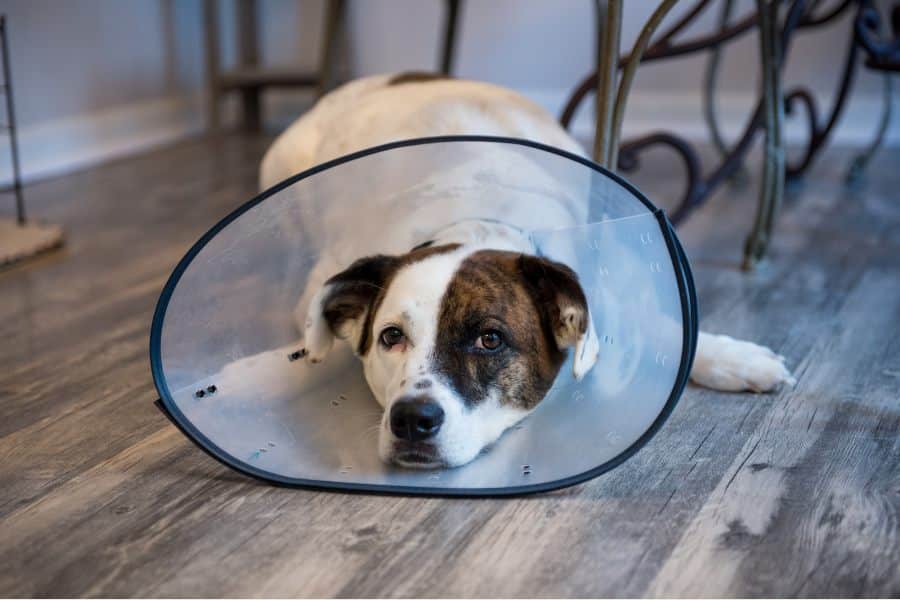


Pet injuries can happen during a walk, playtime, a jump from furniture, or even a simple misstep. While some injuries heal with rest, others require prompt medical attention to prevent complications. Limping, swelling, and pain are often the first signs that something is wrong, yet many pet owners struggle to determine whether the problem is minor or more serious.
This guide explains how to recognize the warning signs of a significant pet injury, what symptoms should never be ignored, and when to seek professional help. You will also learn how to monitor your pet at home and understand the difference between a temporary strain and a condition that requires immediate care. For pet families in Easley and surrounding communities, knowing these signs can help protect your pet’s comfort, mobility, and overall health.
Understanding Common Pet Injuries
Dogs and cats are naturally active. Their curiosity and energy sometimes lead to accidents that result in injuries. Common causes include:
- Slips and falls
- Rough play with other animals
- Sports and exercise activities
- Jumping from high surfaces
- Vehicle-related accidents
- Paw injuries from sharp objects
- Muscle strains and ligament damage
Not every injury is obvious. Some pets continue normal activities despite significant discomfort, making it important for owners to watch for subtle changes in behavior.
Signs Your Pet May Be in Pain
Pain is not always easy to identify in animals. Many pets instinctively hide discomfort.
1. Behavioral Changes
Watch for these common signs:
- Reluctance to move
- Decreased activity levels
- Hiding or withdrawing
- Irritability or aggression
- Changes in appetite
- Excessive licking of a specific area
- Difficulty sleeping comfortably
2. Physical Signs
Physical indicators of pain may include:
- Limping
- Swelling around a joint or limb
- Trembling
- Whining or vocalizing
- Stiffness when standing
- Difficulty climbing stairs
- Favoring one side of the body
These symptoms often indicate that your pet is experiencing discomfort that should be evaluated.
When Limping Becomes a Serious Concern
A mild limp after intense activity may improve within a day. Persistent limping often signals a more significant issue.
1. Seek Prompt Care If Your Pet:
- Refuses to bear weight on a leg
- Has a limp lasting longer than 24 hours
- Shows worsening symptoms
- Cries out when the limb is touched
- Experiences repeated episodes of limping
- Cannot walk normally
Conditions such as fractures, ligament injuries, dislocations, and severe sprains can all cause significant limping.
2. Watch for Sudden Changes
A pet that suddenly stops using a leg should never be ignored. Quick evaluation can reduce discomfort and improve recovery outcomes.
Why Swelling Should Never Be Overlooked
Swelling is the body’s response to injury or inflammation. It can develop rapidly or appear gradually over several hours.
1. Common Causes of Swelling
- Soft tissue injuries
- Insect bites or stings
- Joint injuries
- Abscesses
- Fractures
- Infections
2. Warning Signs Accompanying Swelling
Contact a medical professional if swelling is paired with:
- Significant pain
- Heat around the affected area
- Difficulty walking
- Open wounds
- Rapid enlargement
- Loss of normal limb function
Large or rapidly developing swelling may indicate a more serious underlying problem.
Red Flags That Require Immediate Attention
Certain symptoms should always be treated as high-priority concerns.
1. Inability to Stand or Walk
Pets that cannot rise, stand, or move normally may have severe injuries affecting bones, joints, muscles, or nerves.
2. Visible Bone Deformities
An abnormal limb angle, obvious deformity, or suspected fracture requires prompt assessment.
3. Severe Bleeding
Continuous bleeding that does not slow after applying gentle pressure should be addressed immediately.
4. Extreme Pain
If your pet cries continuously, cannot settle, or reacts aggressively due to pain, professional evaluation is necessary.
5. Breathing Difficulties
Injuries involving the chest or significant trauma may affect breathing and require rapid intervention.
What You Can Do at Home
Pet owners often wonder whether they should wait and observe symptoms.
1. Limit Activity
Restrict running, jumping, and rough play. Rest can prevent further damage.
2. Monitor Symptoms
Keep track of:
- Changes in swelling
- Severity of limping
- Appetite
- Energy levels
- Pain responses
3. Avoid Human Medications
Many over-the-counter pain relievers intended for people can be harmful to pets. Never give medication without professional guidance.
4. Use a Calm Environment
Provide a quiet, comfortable area where your pet can rest while being monitored closely.
The Importance of Early Evaluation
Prompt care often results in faster recovery and better outcomes. Delaying treatment may allow injuries to worsen, increasing discomfort and treatment complexity.
A professional examination can identify hidden issues such as ligament tears, fractures, joint damage, or internal injuries that are not visible from the outside. Diagnostic tools and physical assessments help determine the most appropriate treatment plan.
If your pet is showing concerning symptoms, seeking <a href=”#”>urgent care for pets</a> can provide answers and relief before the condition progresses.
Preventing Future Injuries
While accidents cannot always be prevented, several measures can reduce risk.
1. Maintain a Healthy Weight
Excess weight places additional stress on joints and ligaments.
2. Use Safe Exercise Practices
Gradually increase activity levels and avoid sudden, intense exercise.
3. Keep Your Home Pet-Friendly
Remove hazards that may lead to falls or injuries.
4. Schedule Routine Health Visits
Regular examinations can identify mobility concerns before they become major problems.
When to Contact a Pet Care Professional
Trust your instincts. If your pet appears unusually uncomfortable, cannot move normally, or exhibits significant swelling, it is best to seek guidance. Early intervention often prevents further complications and helps your pet return to normal activities sooner.
For compassionate support when your pet needs prompt attention, call us at 864-442-9000. Our team is committed to helping pets feel comfortable, safe, and on the path to recovery.
Conclusion
Limping, swelling, and pain are important signals that should never be dismissed. While some injuries may improve with rest, others require immediate evaluation to protect your pet’s health and mobility. Recognizing warning signs early allows you to make informed decisions and seek care before conditions worsen.
If you’re located in Easley, Paw Prints Animal Hospital is here to provide compassionate care while supporting the strong connection between pets and their families. We proudly serve pets throughout Easley, Piedmont, Greenville, Liberty, and Pickens, helping them receive the attention they need when injuries occur.
Frequently Asked Questions(FAQs):
1. How long should I wait before seeking help for my pet’s limp?
A: If the limp lasts longer than 24 hours, worsens, or your pet refuses to put weight on the affected leg, professional evaluation is recommended. Persistent limping may indicate a fracture, ligament injury, or another condition requiring treatment.
2. Is swelling always a sign of a serious injury?
A: Not always. Mild swelling can occur from minor strains or insect bites. Rapidly increasing swelling, heat, pain, or difficulty walking should be evaluated promptly because these signs may indicate infection or significant tissue damage.
3. Can pets hide pain after an injury?
A: Yes. Dogs and cats often conceal discomfort. Changes in behavior, reduced activity, reluctance to move, excessive licking, and appetite loss are common indicators that a pet may be experiencing pain.
4. Should I give my pet pain medication from my medicine cabinet?
A: No. Many human pain medications can be toxic to pets. Always consult a pet care professional before giving any medication to ensure safety and proper dosing.
5. What injuries most commonly cause limping in pets?
A: Limping can result from sprains, fractures, paw injuries, ligament tears, muscle strains, joint problems, or foreign objects lodged in the foot. A proper examination helps determine the exact cause.
6. How can I help prevent injuries in my pet?
A: Maintain a healthy weight, provide safe exercise, keep living areas free of hazards, supervise outdoor activities, and schedule routine wellness visits. These steps can reduce the likelihood of injuries and mobility problems.