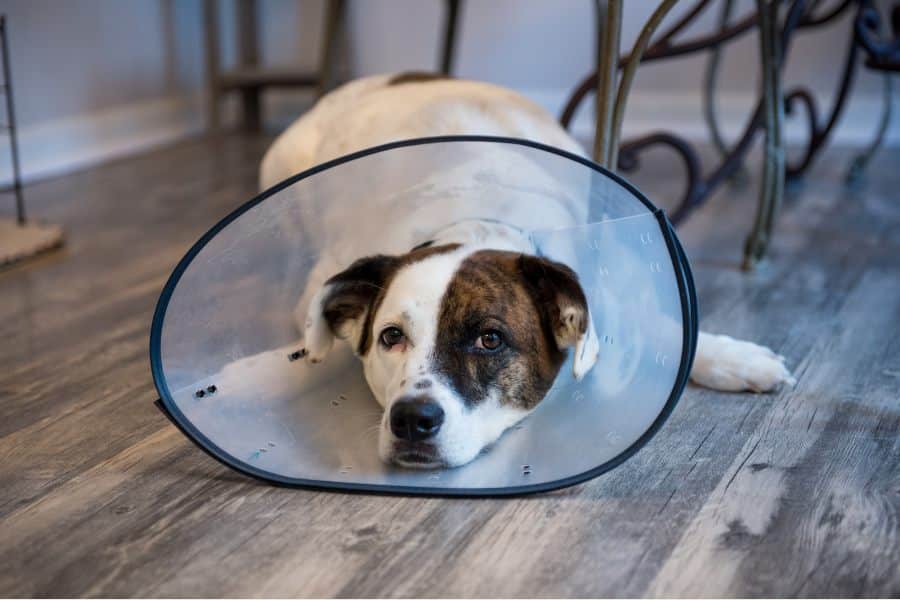

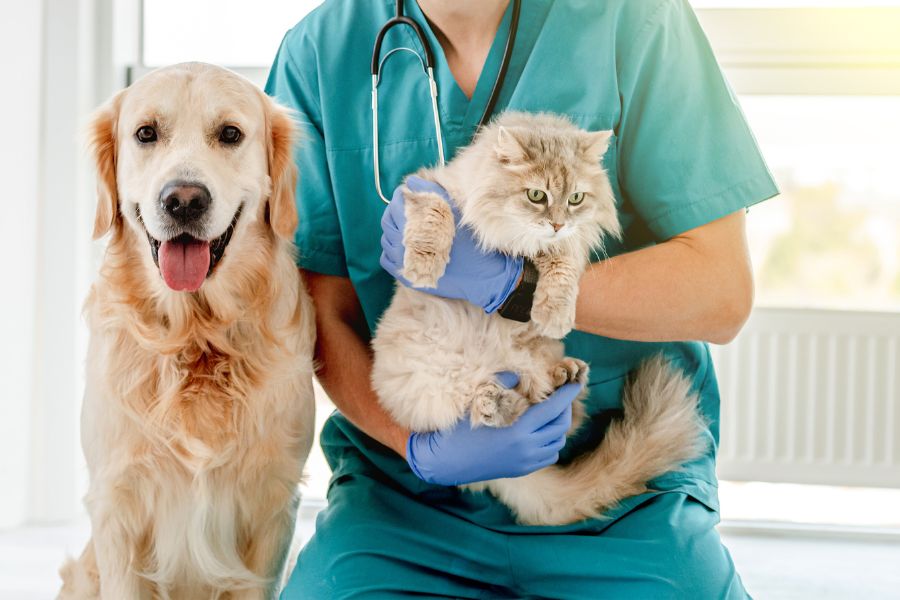
Keeping your pet healthy requires more than food, exercise, and affection. Regular checkups help detect issues early, guide preventive care, and support long-term wellness. This guide explains how often pets should see a vet, what influences scheduling, and what to expect at each visit.
It also highlights local considerations that matter for pet owners, especially those living in Easley, SC, where seasonal changes and outdoor exposure can impact pet health.
Why Regular Checkups Matter
Routine care plays a major role in keeping pets comfortable and active. Pets age faster than humans, so health changes can happen quickly. A simple exam can reveal subtle signs that are easy to miss at home. These visits also help track weight, dental health, and behavior patterns.
Preventive care helps reduce the risk of serious illness. Vaccinations, parasite control, and early screenings protect your pet from common threats. Skipping routine appointments may delay diagnosis, which can lead to more complicated treatments later.
General Guidelines by Life Stage
1. Puppies and Kittens
Young pets need frequent care during their first year. Most require visits every 3 to 4 weeks until they are about 16 weeks old. These appointments focus on vaccinations, growth monitoring, and nutrition guidance.
Early visits also help build comfort with handling and new environments. This foundation supports easier care throughout life.
2. Adult Pets
Healthy adult dogs and cats typically benefit from a checkup once a year. These visits include a full physical exam, updated vaccinations, and discussions about diet and lifestyle.
For active pets or those spending time outdoors, more frequent monitoring may be recommended. Local factors like humidity and parasite exposure can influence care needs.
3. Senior Pets
Pets are considered senior around age 7, though this varies by breed. Older pets often need exams every six months. Aging increases the risk of conditions such as arthritis, dental disease, and organ changes.
Frequent visits allow early detection and better management of age-related concerns.
Factors That Affect Visit Frequency
Every pet is unique, so care plans may differ. Several factors influence how often your pet should be seen.
1. Breed and Size
Some breeds are prone to specific health issues. Large dogs may develop joint problems, while certain cats may have kidney concerns. These risks can shape visit schedules.
2. Lifestyle and Environment
Pets that spend time outdoors face greater exposure to parasites, ticks, and infections. In areas with warm, humid weather, fleas and mosquitoes are more active. Regular exams help manage these risks effectively.
3. Medical History
Pets with chronic conditions or previous health concerns may need more frequent monitoring. Consistent follow-ups support stable management and comfort.
4. Diet and Weight
Weight changes can impact overall health. Routine visits help track body condition and adjust feeding plans as needed.
What Happens During a Visit
A typical appointment includes a head-to-toe exam. The vet checks the eyes, ears, teeth, skin, and coat. Heart and lung sounds are evaluated, and the abdomen is gently examined.
Vaccinations may be updated based on your pet’s age and lifestyle. Parasite prevention is reviewed, and recommendations are provided for diet, exercise, and behavior.
These appointments are also a good time to discuss any concerns. Even small changes in habits can offer important clues about your pet’s health.
Signs Your Pet May Need an Earlier Visit
While routine care is essential, certain signs should prompt an earlier appointment. These include changes in appetite, sudden weight loss, vomiting, or unusual behavior.
Other warning signs include difficulty walking, persistent itching, or changes in bathroom habits. Quick attention can prevent minor issues from becoming serious.
Local Considerations for Pet Owners
Living in a region with warm summers and mild winters means parasites can remain active for much of the year. Fleas, ticks, and heartworms pose ongoing risks. Regular prevention and checkups are important for maintaining health.
Outdoor spaces, including parks and wooded areas, may expose pets to additional hazards. Staying consistent with exams helps address these risks early.
Building a Routine That Works
Creating a schedule for care helps avoid missed appointments. Setting reminders and keeping records of past visits can make planning easier.
Consistency supports better health outcomes. Regular care builds a clear picture of your pet’s normal condition, making it easier to spot changes.
If you’re located in Easley and looking for trusted veterinary care near you, then schedule an appointment with Paw Prints Animal Hospital. You can also explore the full range of services by visiting the homepage to learn how the team supports pets at every life stage.
Conclusion
Caring for your pet involves more than responding to illness. A consistent schedule of veterinary visits supports early detection, prevention, and long-term comfort. Each life stage brings different needs, and regular checkups help address them with clarity and care.
Staying attentive to changes and maintaining routine appointments builds a strong foundation for your pet’s well-being. We are conveniently located in Easley, SC. Reach out to our facility at 1229 Powdersville Rd, Easley, SC 29642—where compassionate care and community come together for your pet’s well-being.
Frequently Asked Questions(FAQs):
1. How often should I schedule checkups for a healthy pet?
A: Most healthy adult pets benefit from one annual visit. Younger and older pets may need more frequent care. Regular appointments help track changes and maintain overall wellness.
2. Do indoor pets still need regular exams?
A: Yes, indoor pets still require routine care. They can develop health issues that are not related to outdoor exposure. Regular exams help detect problems early and support preventive care.
3. What vaccinations are required each year?
A: Vaccination needs vary based on age, lifestyle, and local risks. Core vaccines are often updated during annual visits. Your vet will recommend a schedule that suits your pet’s specific needs.
4. How can I tell if my pet needs to see a vet sooner?
A: Watch for changes in appetite, behavior, or energy levels. Vomiting, diarrhea, or sudden weight changes also signal a need for attention. Early visits can prevent complications.
5. Are dental checkups part of routine care?
A: Yes, dental health is often reviewed during exams. Poor oral health can affect overall well-being. Regular checks help identify issues and guide proper cleaning routines.
6. What should I bring to my pet’s appointment?
A: Bring medical records, a list of medications, and notes about any changes in behavior or diet. This information helps the vet provide accurate recommendations and care.